
Rocket Boy of India
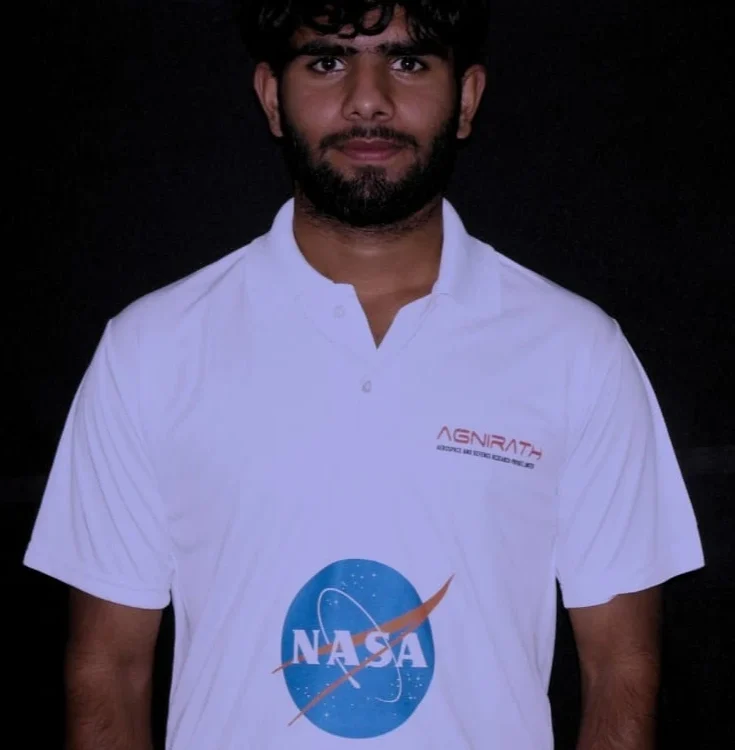
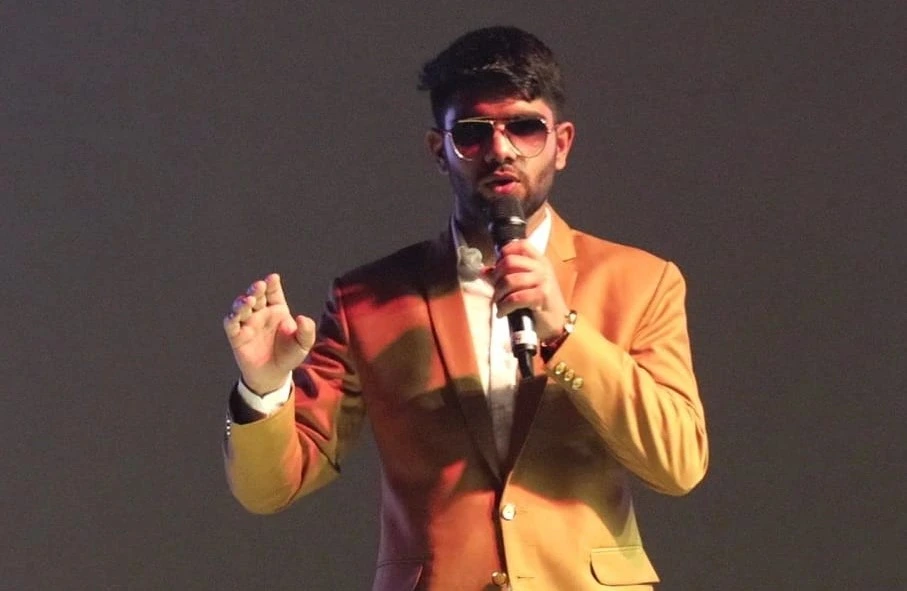
Living in the quiet snow-covered Kulgam region, surrounded by the beautiful peaks of Jammu and Kashmir, was a young man whose thoughts reached higher than the hills above him. Suhail Ibn Shah Nawaz was his name, and he was destined to make a lasting impression on the entire world. The story of the Rocket Boy of India began in these serene valleys, where curiosity met ambition.
Suhail set out on the journey with curious research in his heart and fingers oiled with ink. He was only twenty years old, and already he had written three books, an accomplishment any published author would be proud of. Suhail, however, wasn’t satisfied with just words on a page; he wanted to solve the universe’s riddles. Even at a young age, the Rocket Boy of India was driven by questions that many would never dare to ask.
The Authorial Outlier
Suhail’s launch book, “Own the Wisdom,” was more than just a compilation of ideas; for teenage readers struggling with depression, it served as a lifeline. He courageously offered the book as a free PDF, making sure that its healing messages were read by people all over the world. It is a powerful soul remedy, according to the Star Book of World Records. There is another interesting thing that he wrote this after getting out from depression. This achievement showed that the Rocket Boy of India was equally passionate about helping people as he was about science.
Suhail’s literary talent, however, went beyond mental wellness. “The Soldier: A Duty Out of Ministerial,” his second book, honored the valiant warriors who gave their lives in defense of their nation. He honored their sacrifice and made us all aware of the responsibility we pay to those who serve in uniform with moving poetry.
Challenge to Theory of Relativity
Suhail was working on physics equations and there he found what he believed was a mistake in “Field Theory” under the great “Theory of Relativity” given by Sir Albert Einstein. Generally, when we read physics, we just try to learn it or understand the given theory, but Suhail not only understood physics, he researched it deeply and eventually identified what he considered a fault in the pre-existing theory.
And he did not stop there. He tried to correct that fault and published some of his research papers. People discouraged him by saying that he was putting in meaningless effort and that nothing good would come of it. Although Suhail went through depression while conducting his research, he chose isolation and gathered his strength. This time he came back with greater confidence and determination. The perseverance shown by the Rocket Boy of India became one of the defining moments of his journey.
Finally, with the help of a professor from NIT Jammu, he presented his research to the world. His work was appreciated by many researchers and scientists. This recognition strengthened the growing reputation of the Rocket Boy of India.
The Celestial Discoverer
Suhail’s quill, however, wasn’t just for paper. His thoughts seemed to move with the stars, and he explored the universe with the enthusiasm of a comet crossing the night sky. He combined philosophy and physics to question accepted ideas in “The God Theory of Universe.” His research papers, which contradicted aspects of the Field Theory in Einstein’s General Theory of Relativity, were published in prestigious journals, attracting attention from scientists and academics. These accomplishments further established the Rocket Boy of India as a unique thinker.
The Rocketeer
Suhail had limitless ambitions. He constantly left conventional paths behind to follow his genuine passion: space exploration. He was courted by universities, but he turned them down. His focus remained on the sky, and he had no intention of being bound by establishments on Earth. For the Rocket Boy of India, the stars always seemed closer than the ground beneath his feet.
And then came BURAQ-1—the rocket that would carry Jammu and Kashmir’s dreams beyond the stratosphere. When Suhail worked with Agnirath Aerospace Defense Research, his concept became a reality. He is going to launch this rocket near Dal Lake. This is truly a historic step taken by a 20-year-old boy. This will be a proud moment for all Indians. The launch of BURAQ-1 represents a major milestone in the story of the Rocket Boy of India.
The CEO of SIS Museum
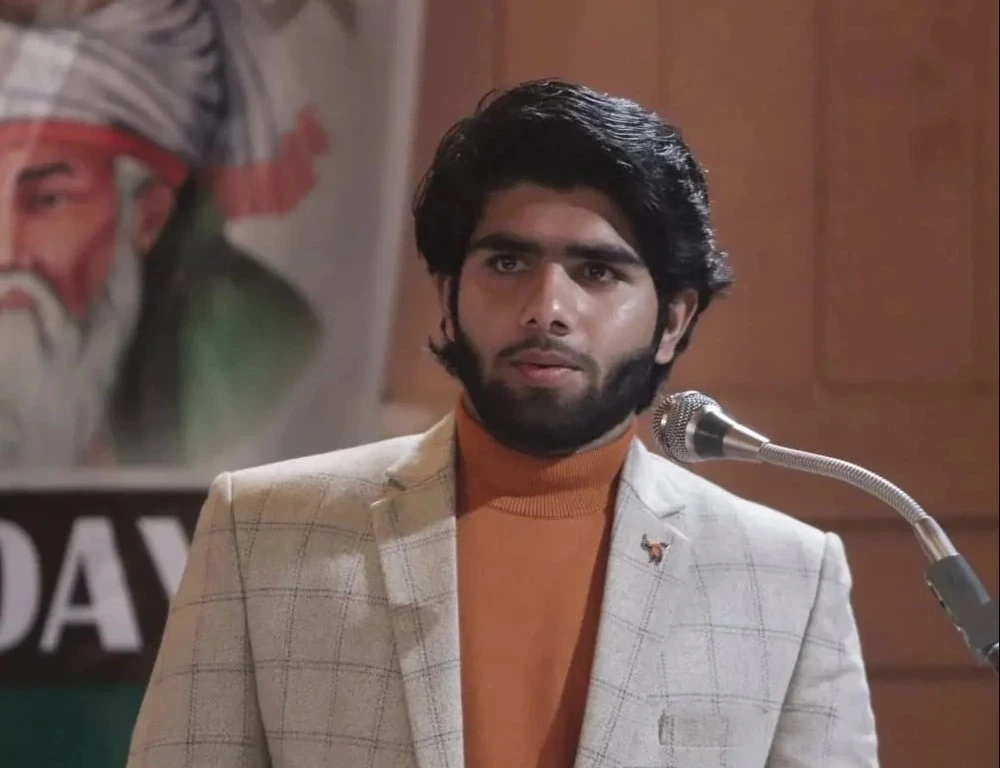
Suhail’s world of innovation does not stop here. He believes that his knowledge can help other students work toward their dreams. That’s why he is planning to start an institute after the successful launch of BURAQ-1. In this institute, he hopes to ignite young minds with the fire of curiosity. Space and science would flow through the corridors, inspiring the next generation. This vision highlights how the Rocket Boy of India wants to create opportunities for others.
His mentor, Prof. Elangovan Rajapolan—an ex-ISRO scientist—recognized Suhail’s zeal. Together, they stoked the flames of discovery. The guidance he received played an important role in shaping the Rocket Boy of India.
And so, from Kulgam’s quietude, Suhail Ibn Shah Nawaz soared. He represented India in Malaysia. His name echoed through the valleys, across the Himalayas, and into the cosmic expanse. He is more than an author, more than a researcher—he is a force of nature, a comet blazing its own trail. Today, the Rocket Boy of India stands as an inspiration to dreamers, innovators, and young changemakers everywhere.
His journey reminds us that extraordinary achievements often begin in the most ordinary places. The legacy of the Rocket Boy of India continues to inspire a generation to think bigger, dream higher, and challenge the impossible.
Also Read; From a Village with No Roads to AIIMS to His Own Startup: The Story of Deepak Kumar