

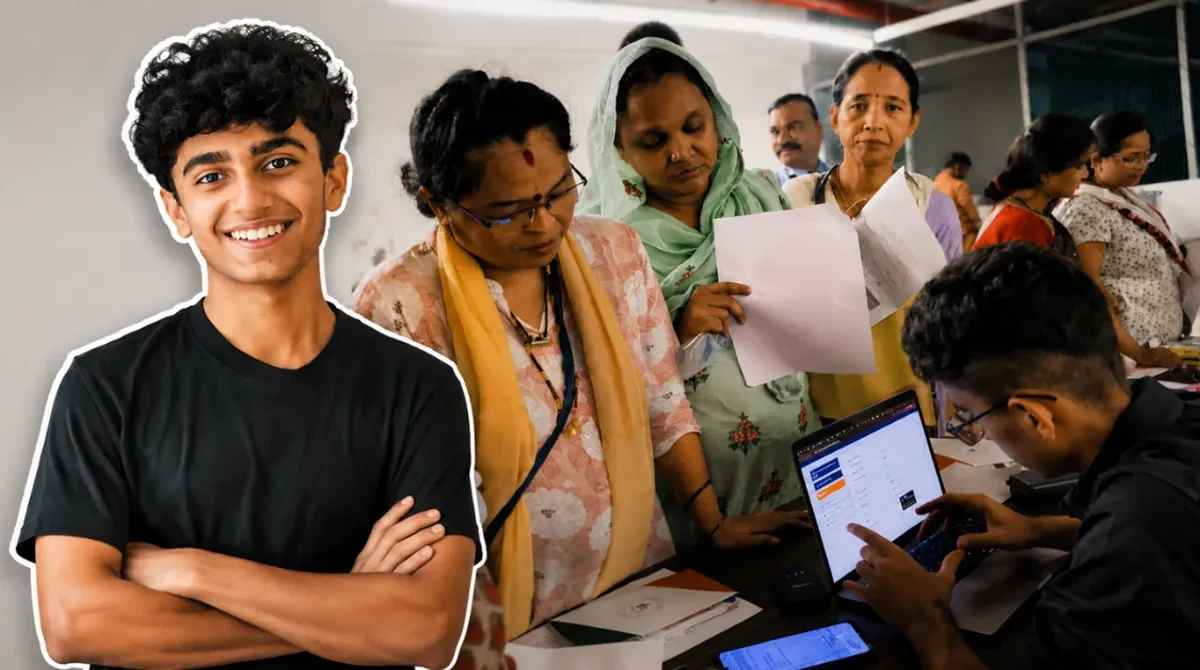
Ayaan Wadhwa Domestic Workers initiative has registered over 750 unorganised sector workers for government welfare schemes across Mumbai, built by a 17-year-old who refused to look away from a problem most people never think about.
Ayaan Wadhwa Domestic Workers: The Question Most of Us Never Ask
Think about your morning. Someone swept your floor before you had your first cup of chai. Someone washed last night’s dishes while you were still asleep. Someone chopped your vegetables and quietly disappeared before you even registered they had been there. Now ask yourself honestly: does she have health insurance? Does she have a pension? If her mother fell sick tomorrow, would she have any safety net at all beyond asking you for a loan and hoping you say yes?
Most of us don’t know. Most of us, if we’re honest, haven’t thought to ask. For 17-year-old Ayaan Wadhwa, that question became impossible to ignore, and the Ayaan Wadhwa Domestic Workers story began not with a grand plan but with a small, uncomfortable moment at his own front door.
The Ayaan Wadhwa Domestic Workers initiative reminds us that meaningful social change often begins with a single question that most people never think to ask.
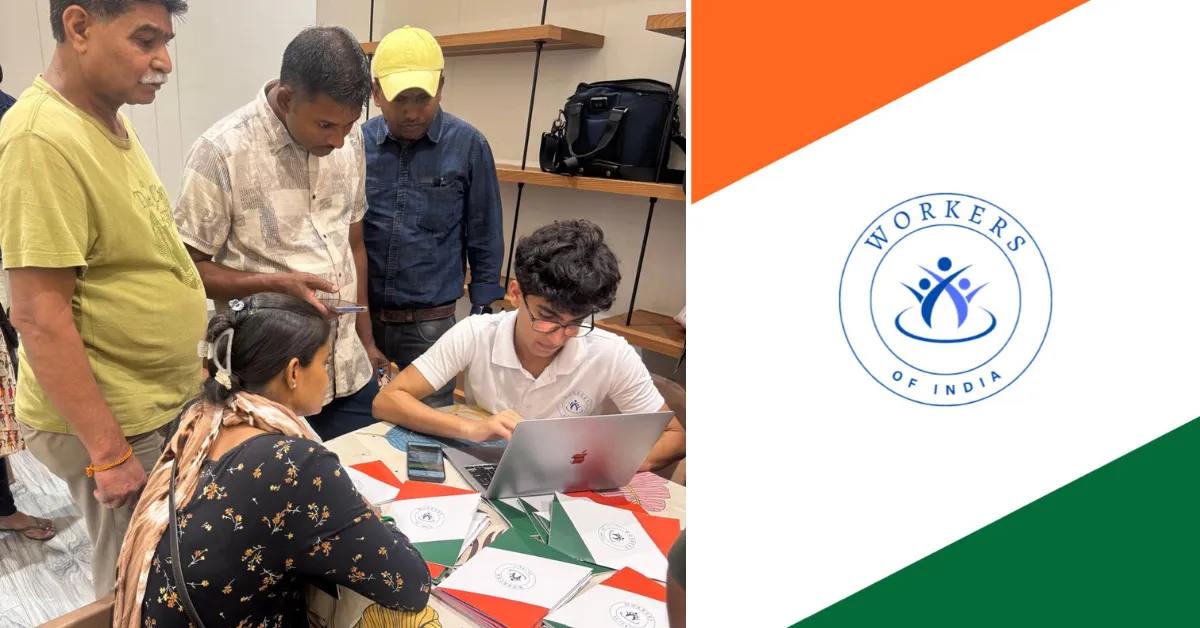
The Moment That Changed Everything
The woman who worked in the Wadhwa household needed money. Her mother was ill. She had no savings, no insurance and no fallback of any kind, so she did the only thing she could: she asked Ayaan’s mother for a loan and hoped for the best. It was the kind of request that plays out quietly in homes across Mumbai every day. Most families either say yes or no and move on. Ayaan couldn’t.
“I just kept thinking if we didn’t give it to her, what would she have done?” he says. “People around me have medical insurance, and that’s when I realised that most workers don’t have access to something that basic.”
He went back to his room and started researching. What he found surprised him. The government had created something for exactly this situation. The e-Shram card, a central welfare scheme for unorganised sector workers, could provide domestic workers with a registered digital identity, accident insurance, access to housing grants and even a pension. And yet, when Ayaan asked the woman who had worked in his home for years whether she had heard of any of these schemes, she had never heard of a single one. That was the beginning of the Ayaan Wadhwa Domestic Workers initiative.
What began as a personal concern soon evolved into the Ayaan Wadhwa Domestic Workers mission, focused on ensuring domestic workers could access welfare schemes that already existed but remained out of reach.
A Booklet, a Building and 80 Strangers
What followed was not a sudden burst of activism. Ayaan’s mother, Pinky Panjwani, watched the process unfold carefully. “It wasn’t a sudden revelation,” she says. “It was gradual curiosity. He started asking questions, then researching. Then one day, he said he wanted to conduct a workshop. He was 15, so I told him we’d do it.”
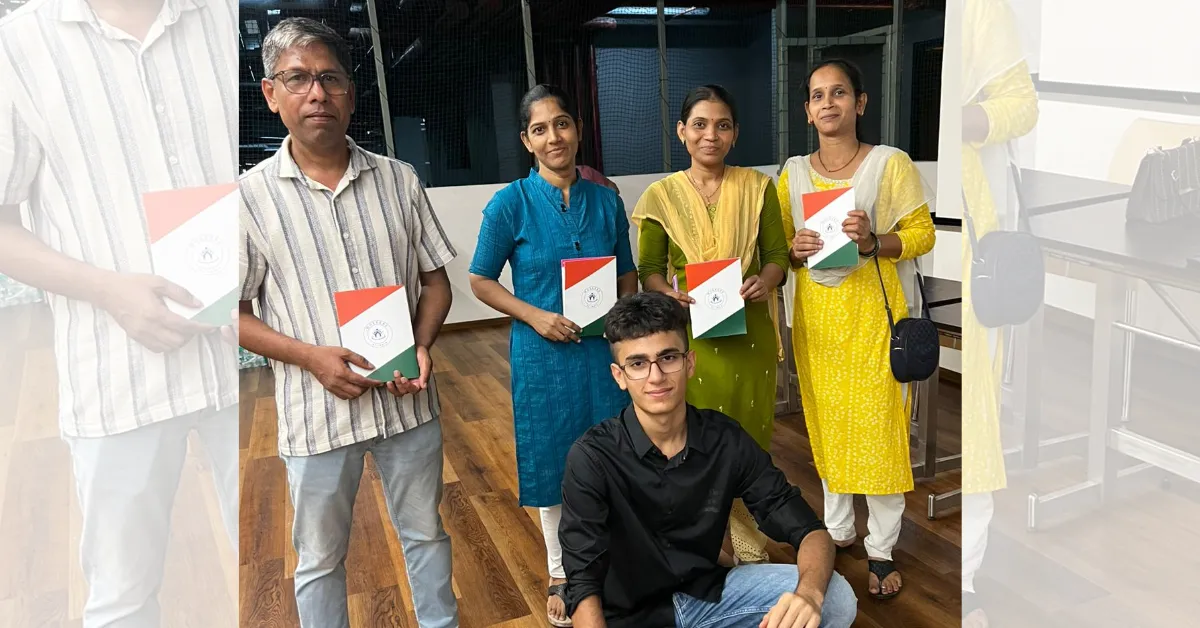
During the summer of 2025, Ayaan built a booklet from scratch, researching central and state government schemes available to domestic workers, simplifying the information into accessible language and translating it into Hindi and Marathi. He practised speaking Hindi until he was fluent enough to conduct workshops himself. Pinky helped with logistics, approaching sceptical housing society committees and arranging printing and halls. But Ayaan made every pitch to building managements himself. Some were unconvinced. He persisted anyway.
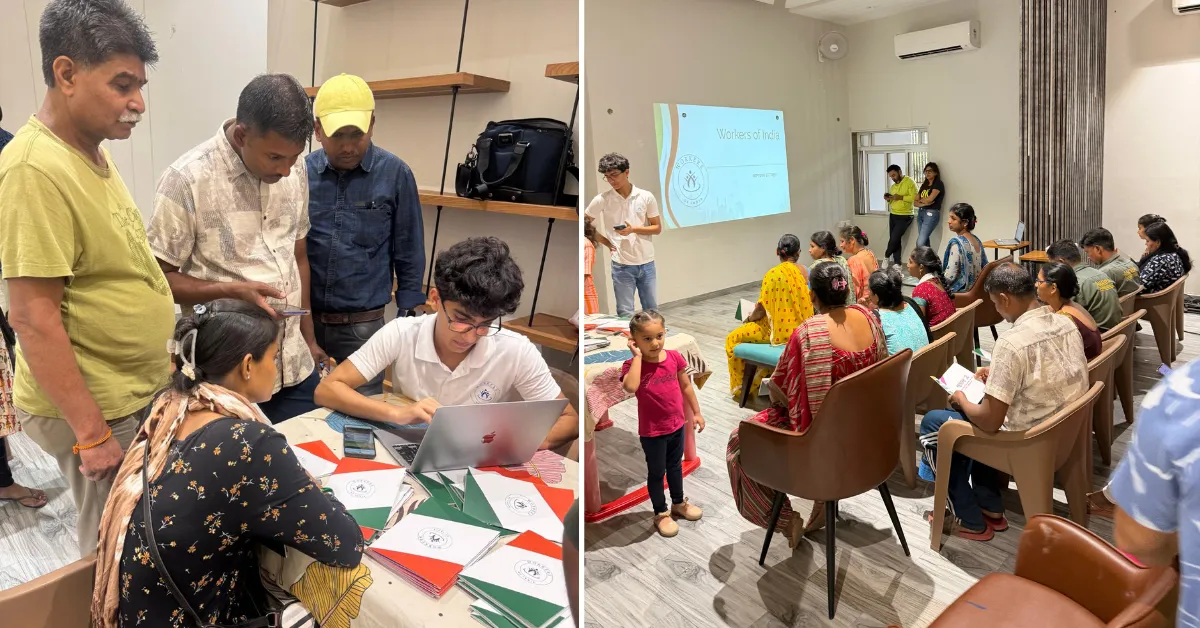
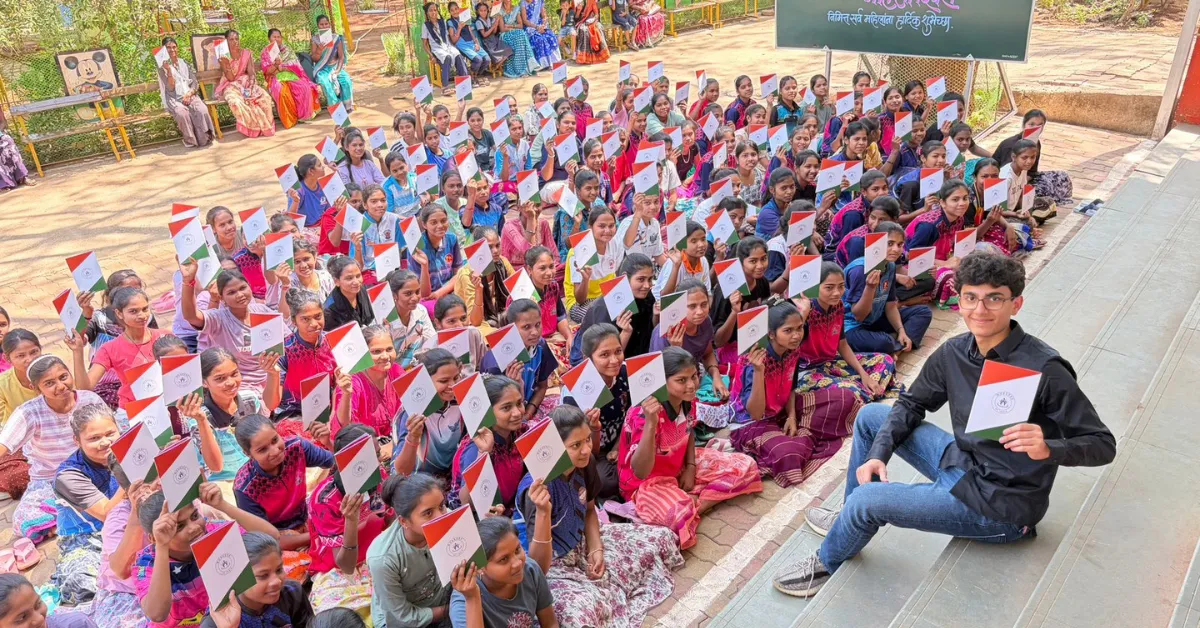
The first workshop, held in their own apartment complex, drew 80 to 90 workers. Armed with his laptop, Ayaan sat with them one by one and walked each person through the government registration portal in real time. By the end of the evening, he had registered nearly half the room and collected phone numbers for everyone else to return and complete the process later. The Ayaan Wadhwa Domestic Workers mission had officially begun.
As word spread across housing societies, the Ayaan Wadhwa Domestic Workers workshops became known for offering practical, hands-on support rather than simply raising awareness.
What Last-Mile Implementation Actually Looks Like
Manisha Dhekde, 32, is one of the 750 workers who has benefited. She has worked as domestic help for nearly ten years and heard about one of Ayaan’s camps through word of mouth. She came, sat across from a teenager with a laptop, and left with an e-Shram card and enrolment in a post office savings scheme. Since then, she says, government benefits have reached her home multiple times. “Earlier, I had no idea what an e-Shram card even was,” she recalls. “The camp taught me everything patiently.”
Stories like Manisha’s show how the Ayaan Wadhwa Domestic Workers initiative is creating measurable impact, helping workers move from being unaware of their rights to actively benefiting from them.
750 Workers, Five Workshops
According to the 2024 India Employment Report, more than 90 percent of India’s workforce is employed in the unorganised sector. While the e-Shram portal has registered hundreds of millions of workers nationally, many domestic workers in cities like Mumbai continue to remain outside the system, not because the schemes don’t exist, but because nobody has ever shown them how to access them.
By closing this awareness gap, the Ayaan Wadhwa Domestic Workers project is ensuring that existing welfare schemes reach the people they were originally designed to support.
The Tool He Is Building Now
Alongside his International Baccalaureate coursework and university applications, Ayaan has spent the past year developing an AI-powered WhatsApp chatbot. The idea is deceptively simple: a domestic worker speaks her employment terms into her phone in Hindi, Marathi or English and receives a bilingual employment contract she can share with her employer. No portals, no complicated forms, no advanced digital literacy required beyond sending a voice note.
If successful, the chatbot could become the next major milestone in the Ayaan Wadhwa Domestic Workers journey, making employment rights easier to access through technology that workers already use every day.
This month, the Ayaan Wadhwa Domestic Workers project received a significant boost. His initiative, Workers of India, was selected for the International Baccalaureate Global Youth Action Fund.
The Question That Now Belongs to All of Us
Every morning, workers still pass through the gates of apartment buildings across this city. Most still have no contracts, no insurance and no pension. The gap remains enormous and the work ahead is long.
Even so, the Ayaan Wadhwa Domestic Workers initiative demonstrates how determined individuals can bridge the gap between government policy and the people those policies are intended to serve.
But the question the Ayaan Wadhwa Domestic Workers mission quietly leaves behind now belongs to all of us: do you know if she has a safety net? And if she doesn’t, what are you going to do about it?