

Discover how CodeYogi is revolutionising technical education through mobile-first coding, helping over 3 lakh rural Indian students learn programming on budget smartphones.
Mobile-First Coding: How CodeYogi is Empowering 3 Lakh Students to Learn Programming on Smartphones
For decades, learning computer programming in India has been a privilege reserved for those with access to expensive personal computers, high-speed broadband, and English-medium schooling. For millions of students studying in rural government institutions, industrial training institutes, and polytechnics, the world of software development remained entirely out of reach. However, a revolutionary educational initiative is turning this traditional narrative upside down by packing an entire tech academy into a budget mobile device. Founded by a dedicated team of Indian Institute of Technology Delhi alumni, a non-profit venture named CodeYogi is democratising technical education across the country, proving that complex programming skills can be mastered without high-end laptops or formal computer labsment
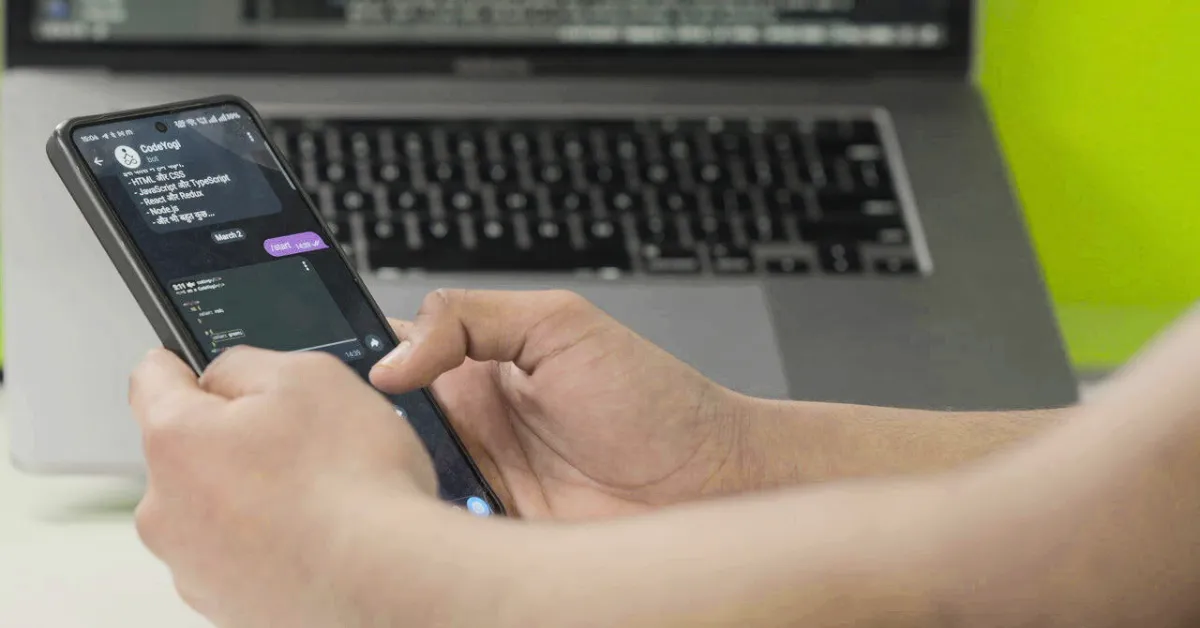
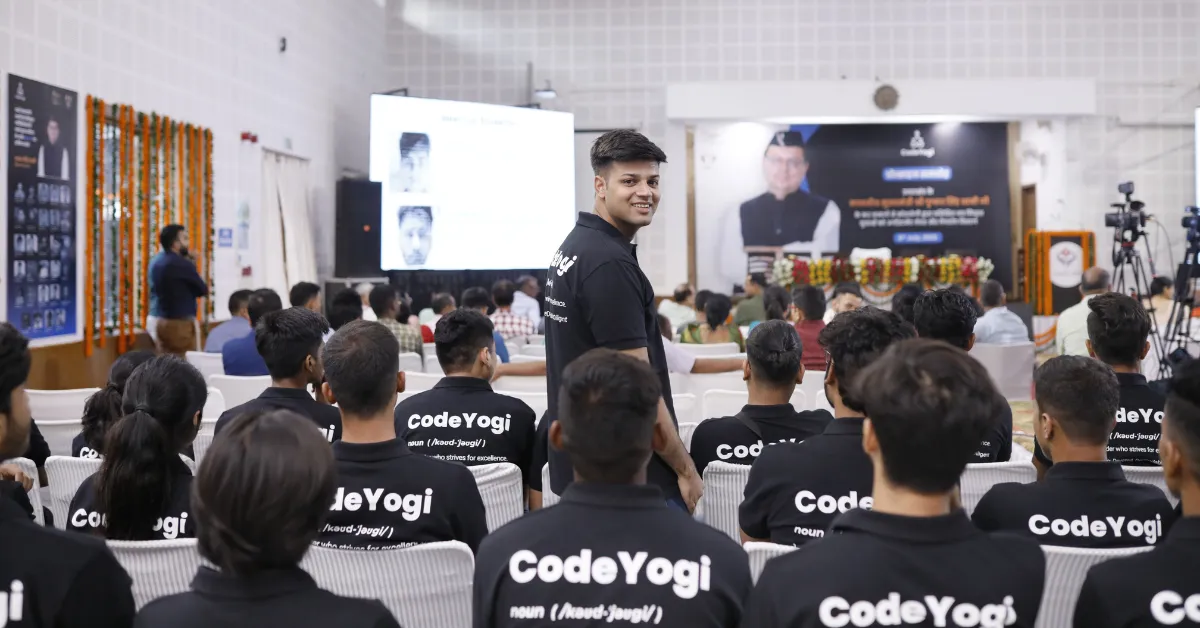
The scale of this mobile-first coding movement is staggering, with over three lakh students across nine states and more than one hundred districts actively participating in the ecosystem. Among them, nearly sixty-two thousand learners are already actively developing real-world software applications and digital solutions. The core philosophy driving this massive expansion is simple yet profound: instead of waiting for public infrastructure to catch up with educational demands, the program utilizes the one piece of advanced technology that almost every Indian household already possesses—the humble smartphone. By transforming these low-cost mobile screens into powerful learning hubs, the initiative is effectively breaking down the digital divide and opening new avenues for marginalized youth.
The Founders and Their Vision
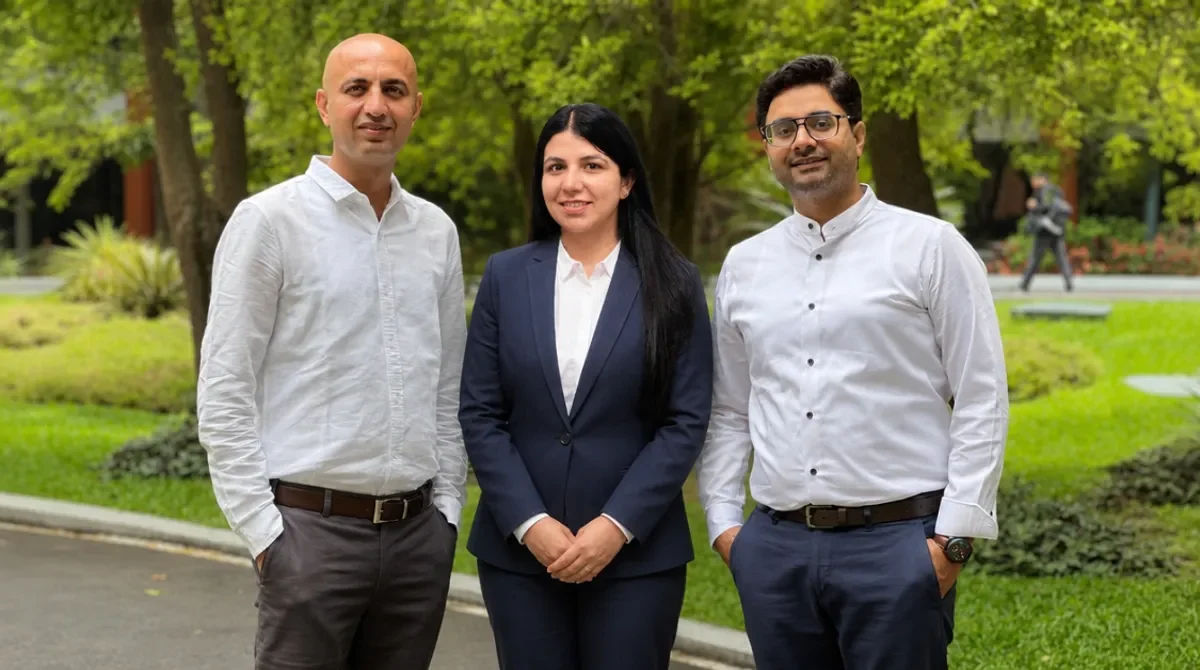
The seeds of this transformation were planted by three individuals who shared similar backgrounds and a common vision. Prashant Chaudhary, an alumnus of IIT Delhi, grew up in a remote village in Uttar Pradesh where local teachers had little awareness of engineering entrance exams. Having cleared the competitive entrance hurdle with the financial assistance of benevolent mentors, Chaudhary realized how a lack of timely guidance traps countless hardworking rural youth in cycles of limited socioeconomic mobility.
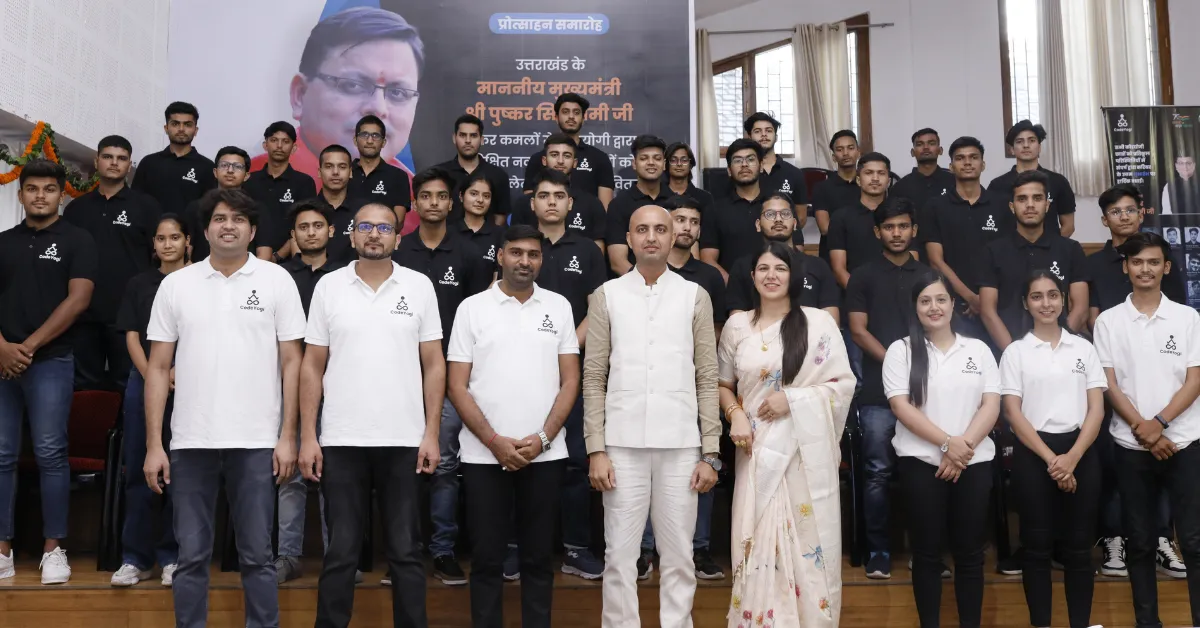
After working in the software industry and conducting informal training sessions, he teamed up with Priyanka Sethi, an MTech graduate and former engineering lecturer, to launch an intensive coding bootcamp in Uttarakhand in 2020. They were later joined full-time by Rakesh Sehgal, another government school product and corporate consultant, to officially register the CodeYogi Foundation as a non-profit entity in February 2025.
Overcoming Infrastructure Bottlenecks
In its initial years, the team attempted a conventional approach by collaborating with state governments to run online classes utilizing existing institutional computer labs. However, between 2020 and 2022, they repeatedly encountered severe infrastructural bottlenecks. Institutional labs were frequently locked, desktop computers suffered from technical malfunctions, power outages were rampant, and students rarely received sufficient hands-on practice to gain genuine proficiency. Recognizing that relying on desktop computers was limiting their overall reach, the founders made a pivotal strategic pivot in 2023. They decided to stop waiting for fully functional computer labs and chose to completely redesign their entire training curriculum around a dedicated mobile-first coding strategy .
Engineering a Lightweight Ecosystem
To make mobile-first coding a practical reality for a standard ten thousand rupee smartphone, the engineering team had to build a brand new software infrastructure from scratch. Instead of forcing students to download heavy applications that would quickly exhaust the limited storage capacity of low-end Android devices, they engineered a lightweight, browser-based ecosystem. The educational journey commences on accessible communication apps like Telegram and WhatsApp, where automated systems deliver bite-sized instructional videos in Hindi, followed by quick conceptual quizzes. When the time comes for hands-on practice, students access a custom-built web editor optimized to run seamlessly inside any standard mobile web browser, allowing even entry-level smartphones costing as little as four thousand rupees to compile code smoothly.
AI Integration and Localized Learning
The custom web editor features a programming-friendly software keyboard and an automated evaluation engine that provides instantaneous feedback on submitted assignments. Furthermore, the platform integrates an intelligent artificial intelligence helper that analyzes programming errors and explains them directly in Hindi. Crucially, the AI helper does not simply rewrite the broken syntax for the user; instead, it provides contextual clues that guide the learner toward finding the solution independently. By integrating this mobile-first coding mechanism with intuitive language localization, the platform successfully eliminates the twin barriers of expensive hardware ownership and mandatory English language fluency that historically kept rural students out of the mainstream software sector.
Designing with Deep Empathy
Designing an effective mobile-first coding curriculum for individuals who had never touched a computer required a continuous process of trial, error, and deep empathy. The founders quickly discovered that they needed to build their educational materials around the natural thought patterns of their target demographic. For instance, when learning Cascading Style Sheets for web design, Indian students consistently typed the British spelling of colour instead of the Americanized syntax required by computers. Rather than penalizing the learners or dismissing it as an error, the product development team updated the system to explicitly explain why the machine failed to recognize the British spelling, transforming a point of frustration into a valuable lesson about syntax rules.
Shifting from Consumers to Creators: Mobile-First Coding
The inclusion of an interactive artificial intelligence layer proved to be a major psychological breakthrough for the students. In traditional educational setups, many rural youths feel deeply intimidated by tech subjects, fearing judgment from peers or instructors due to their lack of digital background or English communication skills. The non-judgmental nature of an AI assistant creates a safe learning environment where students feel completely free to ask basic questions repeatedly without any sense of embarrassment. This personalized, self-paced approach has significantly boosted the confidence levels of the learners, resulting in a unique demographic mix where nearly half of all active participants are young women, and a large proportion of advanced developers come from non-science streams.
Grassroots Innovations and Solutions: Mobile-First Coding
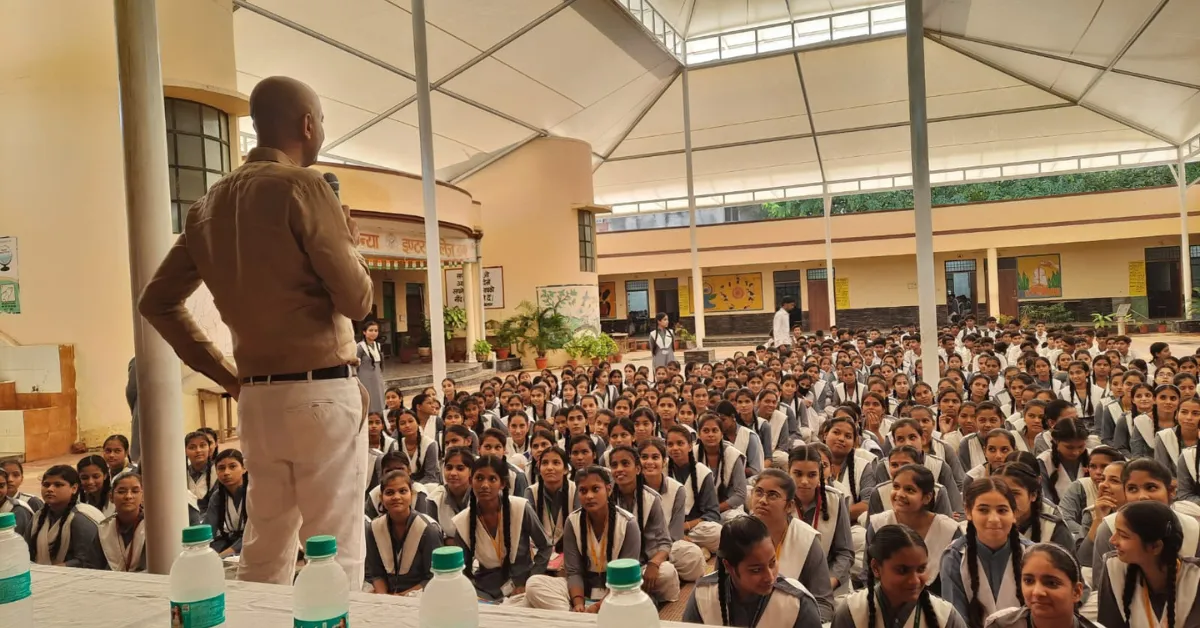
As the reach of mobile-first coding continues to expand, a significant shift is visible in how these young learners interact with the digital world. They are rapidly transitioning from passive consumers of internet entertainment into active creators of useful software solutions. The training architecture actively encourages participants to identify tangible administrative or economic challenges within their local neighborhoods and build customized applications to solve them. This practical methodology has sparked immense creativity, leading to the development of several community-centric digital tools that solve problems which urban developers might never notice.
In several districts, students have utilized mobile-first coding principles to design practical community systems, such as a localized waste management program that was later adopted and launched by regional municipal authorities. In other areas, young coders successfully digitized outdated paper-based public library registries, creating efficient searchable databases for rural readers. Another innovative student developed a customized mobile keyboard extension that translates Hindi inputs directly into English text, helping rural individuals overcome communication barriers during online interactions. These grassroots innovations demonstrate that when given the proper tools, youth from underserved backgrounds can easily identify and remedy structural inefficiencies within their immediate surroundings.
Empowering Individual Success Stories: Mobile-First Coding
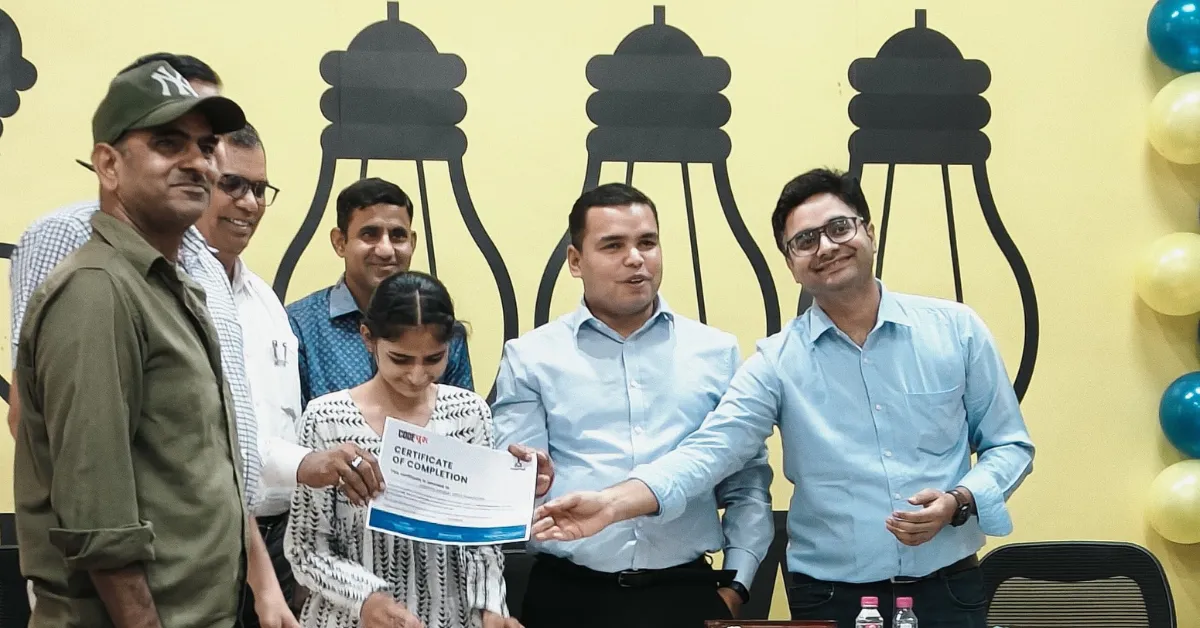
Individual success stories highlight the life-changing impact of this smartphone-centric education model. In the Churu district of Rajasthan, a seventeen-year-old humanities student named Lakshmi Jhangir joined the initiative through a district-level school program in 2024. Despite having an arts background and no prior access to a laptop, she mastered web development entirely on her mobile screen and went on to clear the qualifying rounds for a prestigious online data science program at IIT Madras. To assist women in her community, she developed a web platform named Digital Sakhi, which trains rural women in basic digital marketing and provides them with an e-commerce avenue to sell their homemade products directly to online consumers.
Similarly, a young learner named Arjun from Saharanpur, Uttar Pradesh, felt inspired to create a specialized educational web application after observing children demonstrate exceptional mathematical skills at a regional event. Realizing that expensive coaching centers were out of reach for public school students, he utilized his mobile phone to build a comprehensive Vedic mathematics application complete with abacus tools, video lessons, and an advanced image-recognition feature that solves and explains mathematical problems from uploaded photographs. Prior to discovering the mobile-first coding platform, Arjun had attempted to learn software development through online video tutorials but found himself held back by the lack of a personal computer.
The ability to write functional scripts directly on a mobile browser completely transformed his understanding of what was possible on a handheld device.
A New Paradigm for Tech career
For generations, youth residing in India’s smaller towns and villages viewed secure government employment as the solitary path to achieving financial stability, largely because corporate software jobs felt like an exclusive club meant only for urban graduates. By bringing comprehensive tech training directly to affordable smartphones, the initiative is dismantling these rigid psychological barriers and reshaping how young citizens perceive their career potentials.
It is instilling a widespread realization that practical technical capability is far more valuable than formal institutional degrees. For a new generation of Indian creators currently debugging complex programs through cracked mobile screens, this newfound confidence represents a profound socioeconomic shift, transforming everyday communication devices into powerful instruments of personal and community liberation, supported by the overarching network of the CodeYogi Foundation Mobile-First Coding.
Through its unique educational architecture, this sustainable model proves that a proper mobile-first coding curriculum can successfully bypass traditional infrastructure limitations. As thousands of young creators master complex programming skills each day, this massive mobile-first coding movement continues to transform ordinary mobile screens into powerful tools for economic advancement across India(Mobile-First Coding)
Also Read: Arunima Sinha Mountaineer: 1 Incredible Journey From a Hospital Bed to the Summit of Mount Everest