


Vikram-1 Skyroot Aerospace made history on July 18, 2026, India’s first privately developed orbital rocket deployed six payloads into a 450 km low Earth orbit on its very first attempt, making India only the third country after the US and China to achieve private orbital launch capability.
Vikram-1-skyroot-aerospace: Mission Aagaman and the Dawn of India’s Private Space Era
Vikram-1 Skyroot Aerospace has written one of the most significant chapters in Indian space history. On July 18, 2026, the Vikram-1 Skyroot Aerospace rocket lifted off from the Satish Dhawan Space Centre in Sriharikota and successfully completed Mission Aagaman, deploying six payloads including two satellites into a 450 km low Earth orbit on its very first attempt. With that single launch, Vikram-1 Skyroot Aerospace made India only the third country in the world, after the US and China, to have a private industry reach orbit independently.
The Company Behind the Rocket
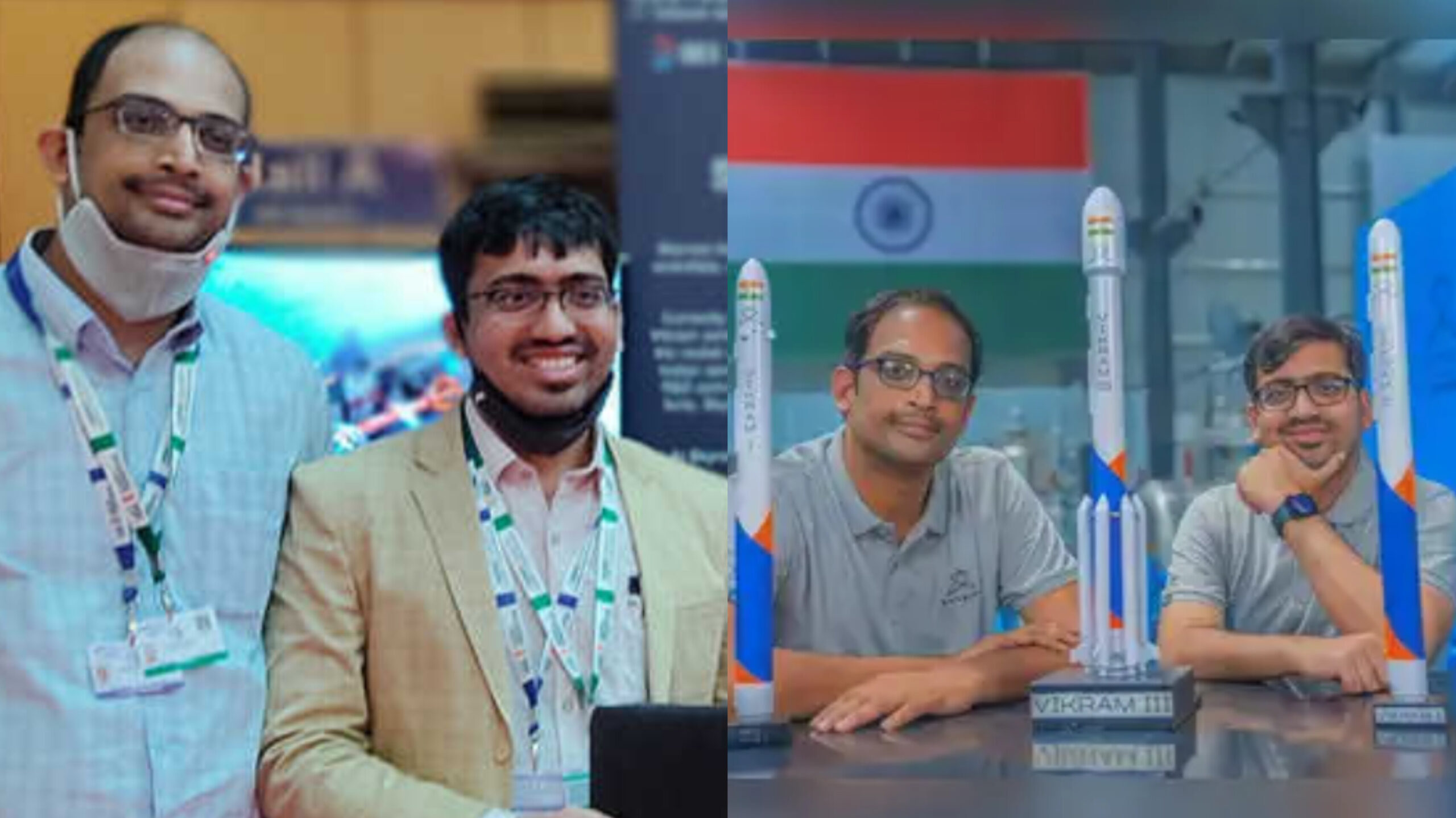
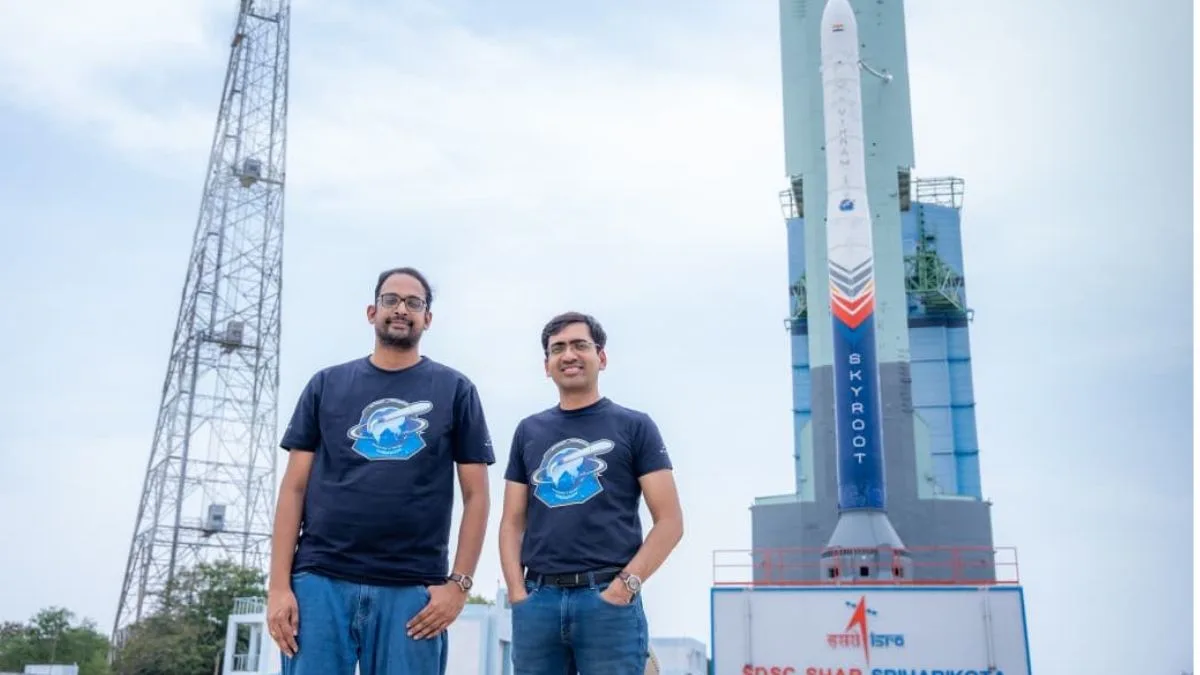
It was built by Skyroot Aerospace, founded in 2018 by former ISRO scientists Pawan Kumar Chandana and Naga Bharath Daka in Hyderabad. The company’s mission was clear from day one: to build India’s first privately developed orbital-class launch vehicle for the growing global small satellite launch market.
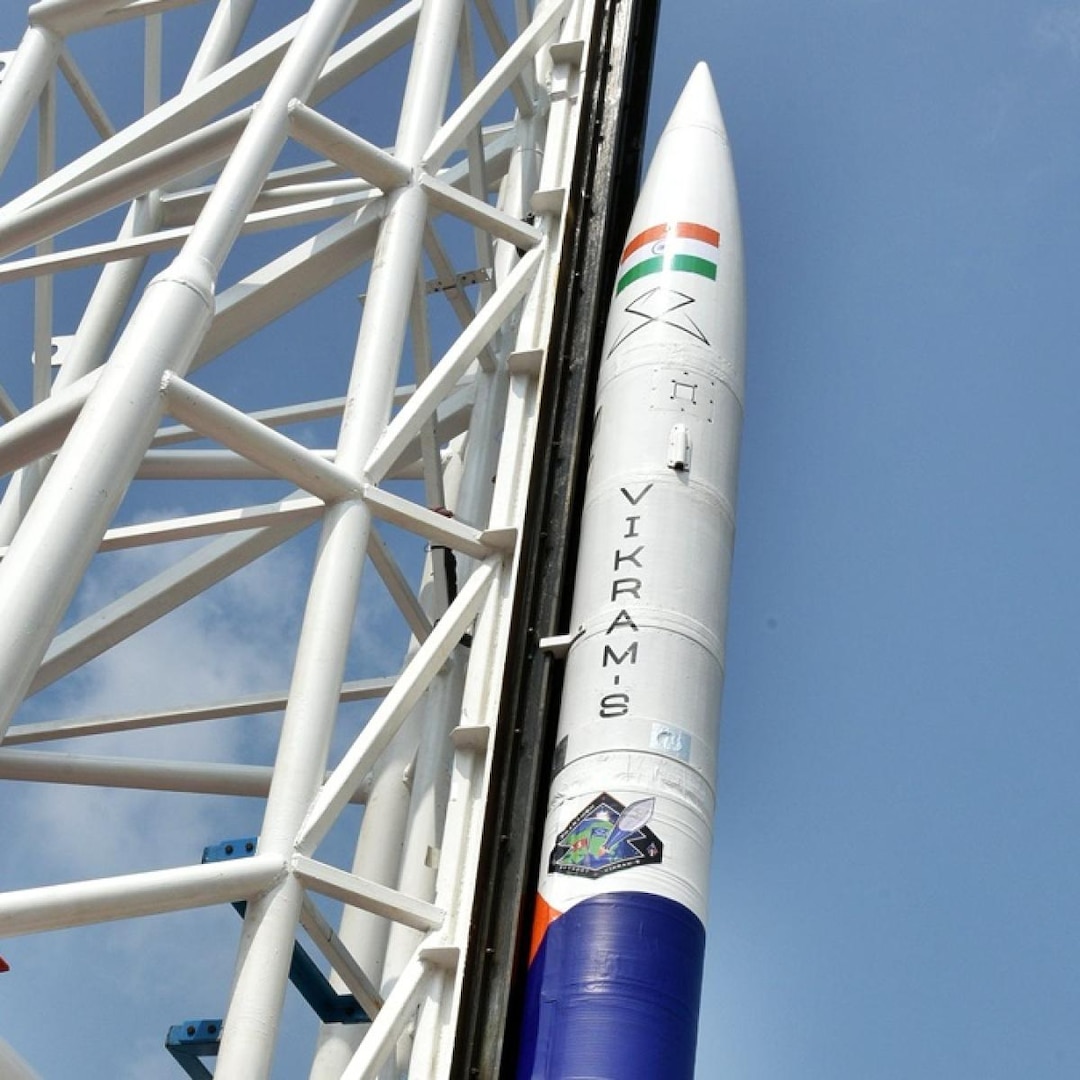
The path to orbit was built milestone by milestone. In November 2022, Skyroot flew Vikram-S, the first Indian private rocket launched from ISRO’s facilities. In October 2023, Vikram-1 Skyroot Aerospace was unveiled at the company’s MAX-Q headquarters in Hyderabad. In November 2025, Prime Minister Narendra Modi unveiled the flight-ready configuration of Vikram-1 at Skyroot’s Infinity Campus, signalling that the countdown had truly begun.
Rocket Design and Specifications
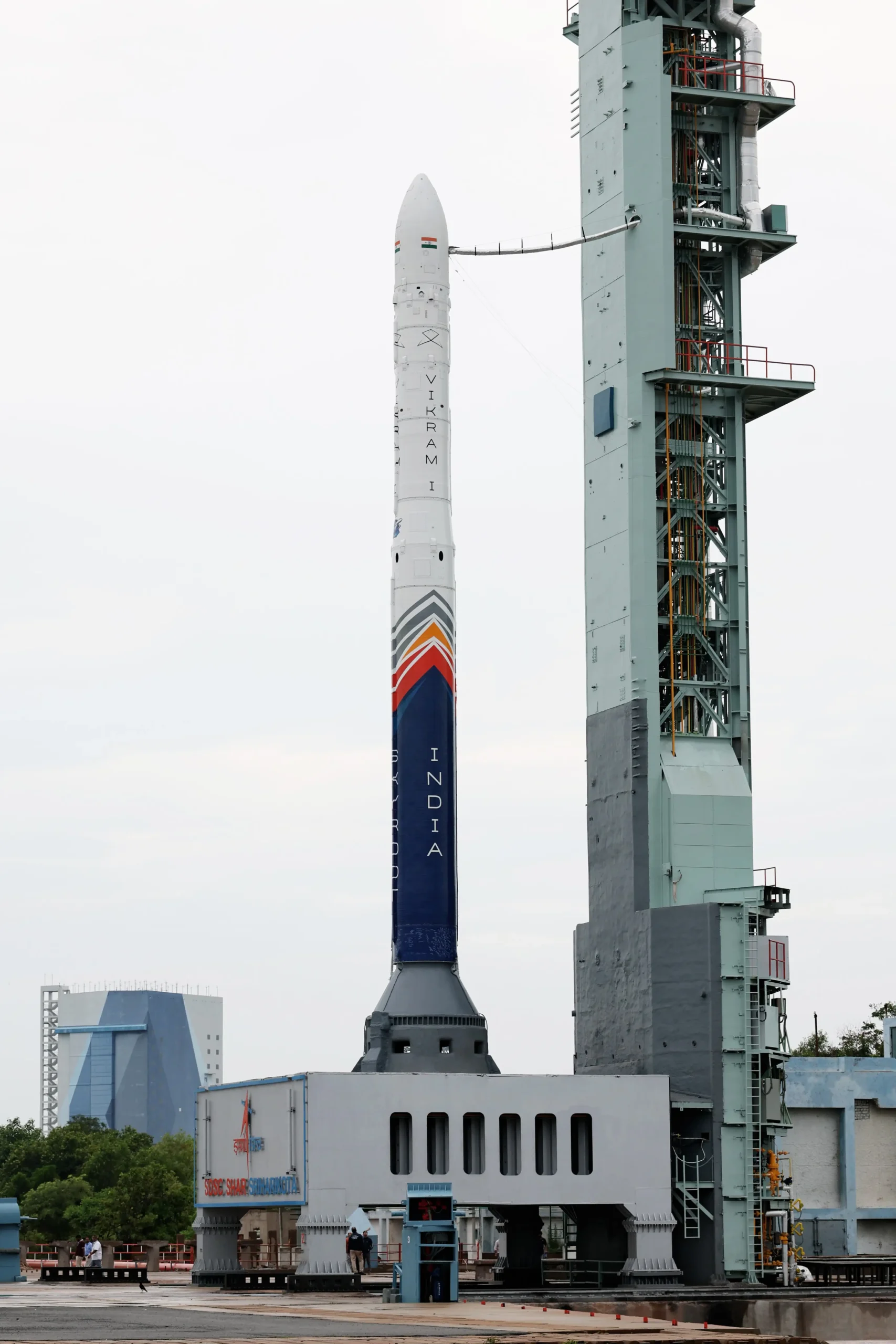
It stands 24 metres tall and 1.7 metres in diameter. It is a four-stage vehicle capable of carrying 350 kg to a 500 km low Earth orbit and 260 kg to a Sun-synchronous polar orbit.
The first three stages of Vikram-1 Skyroot Aerospace use solid propulsion. The first stage is powered by the Kalam 1200 engine generating 1,000 kN of thrust. The second stage uses the Kalam 250 engine with 250 kN of thrust and thrust vector control for steering. The third stage uses the Kalam 100 engine generating 100 kN of thrust.
The fourth stage of Vikram-1 Aerospace is the restartable Orbit Adjustment Module, powered by four Raman-I liquid engines using N2O4 and MMH propellant, generating 3.4 kN of combined thrust. This stage enables precise multi-payload deployment into different orbits, one of the most commercially valuable features of Vikram-1 Skyroot Aerospace.
The vehicle uses carbon-composite airframes, 3D-printed liquid engines, and modular avionics systems, making Vikram-1 Skyroot Aerospace one of the most technically advanced small-lift rockets developed anywhere in the world.
Mission Aagaman: History Made
The inaugural flight of Vikram-1 Aerospace, Mission Aagaman, meaning arrival in Sanskrit, lifted off on July 18, 2026 from the First Launch Pad at Satish Dhawan Space Centre. The flight validated stage separations, 3D-printed engine performance, avionics, and orbital insertion capability across all four stages of Vikram-1 Skyroot Aerospace.
Payloads deployed included India SCOPE and India SOLARAS S3 satellites, Cosmoserve Space’s robotic arm Embrace, and an on-orbit demonstration from German company DCUBED. Vikram-1 Skyroot Aerospace successfully reached orbit on its very first attempt, placing it in an elite category of rockets that achieved success from day one.
A Name That Carries History
The name Vikram in Vikram-1 Skyroot Aerospace is derived from Sanskrit meaning brave and honours Vikram Sarabhai, the father of India’s space programme. Vikram-1 Skyroot Aerospace carries that name not just as a label but as a promise to the legacy it represents.
What Comes Next
Mission Aagaman is the first of three planned developmental flights before Vikram-1 Skyroot enters full commercial service. The next planned launch is the maiden flight of the Vikram-1U configuration with additional solid rocket boosters, scheduled for Q1 2027.
Vikram-1 Skyroot is not just a rocket. It is proof that India’s private space sector has arrived and is here to stay.