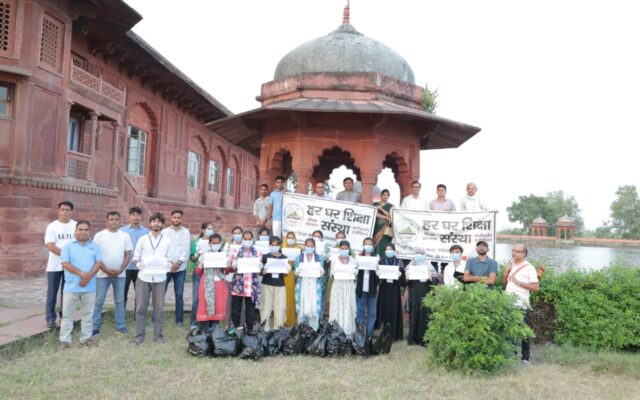

Discover how a 14-year-old volunteer Abhishek Panwar, rose to the UN stage. Read an inspiring journey of youth climate action India, community service, and global policy.
Youth Climate Action India: From Grassroots Volunteer to United Nations Delegate
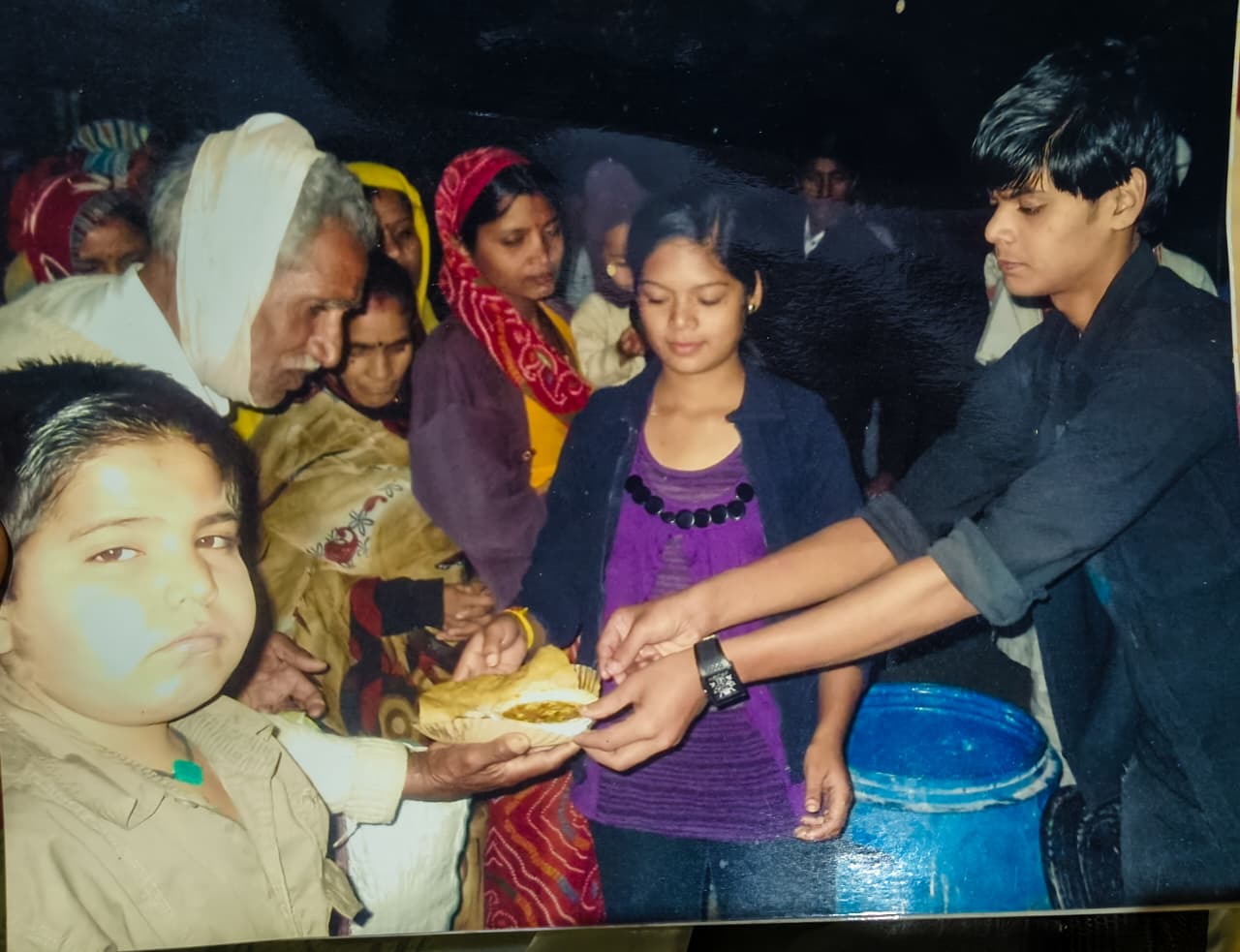
Every massive global shift begins with a localized tremor. For a young, determined changemaker in India, that tremor began at the tender age of fourteen. While most teenagers were navigating the routine complexities of high school, peer pressure, and academic requirements, a deeper calling was quietly taking root. It began not with grand political theories, complex academic frameworks, or international ambitions, but with something far more fundamental to human dignity: a plate of food, an extended hand, and a local organization called the Nek Kary Seva Samiti.
Stepping into the world of grassroots community service at such a formative age provides a unique vantage point. At fourteen, the world is typically viewed through a narrow lens of personal growth and immediate surroundings. However, choosing to pivot that focus outward toward vulnerable communities fundamentally alters an individual’s trajectory.
Engaging in basic support initiatives and food distribution drives wasn’t just an act of charity; it was a profound masterclass in empathy, systemic challenges, and human resilience. This foundational experience did more than just fill a temporary need in the community it permanently shaped a long-term commitment toward social service, nation-building, and inclusive development. It proved that young people are not merely passive recipients of the future; they are active architects of the present.
Grounding Global Goals in Grassroots Reality
As the years progressed, this initial spark evolved into a systematic, multi-faceted approach to social change. The early lessons learned during food distribution drives naturally expanded into a broader understanding of how local vulnerabilities are deeply interconnected with global crises. It became impossible to talk about food security without addressing the erratic weather patterns devastating rural livelihoods. It became impossible to discuss community welfare without confronting the urgent realities of environmental degradation.
To build a structured response to these interconnected crises, the movement naturally turned toward driving Youth Climate Action India could be proud of on the global stage. Aligning personal efforts with the United Nations Sustainable Development Goals (SDGs), the focus shifted toward critical, intersecting domains:
-
Climate Action & Environmental Sustainability (SDG 13): Moving beyond theoretical discussions to implement actionable, localized environmental strategies.
-
Food Security (SDG 2): Expanding basic food distribution into sustainable, reliable support structures for marginalized populations.
-
Youth Empowerment (SDG 5 & SDG 8): Transforming passive observers into active stakeholders by building leadership capacity among young people.
The operational philosophy here is simple yet profound: think globally, act locally. Global frameworks like the SDGs can often feel distant, sterile, and bureaucratic to an average citizen. The true challenge and the true triumph lies in translating those high-level targets into languages, actions, and campaigns that resonate with a villager, a schoolchild, or a local shopkeeper. By focusing heavily on creating awareness, mobilizing communities, and fostering youth leadership, the work bridged the massive gap between international rhetoric and neighborhood reality.
The International Stage: Bringing India’s Voice to the UN
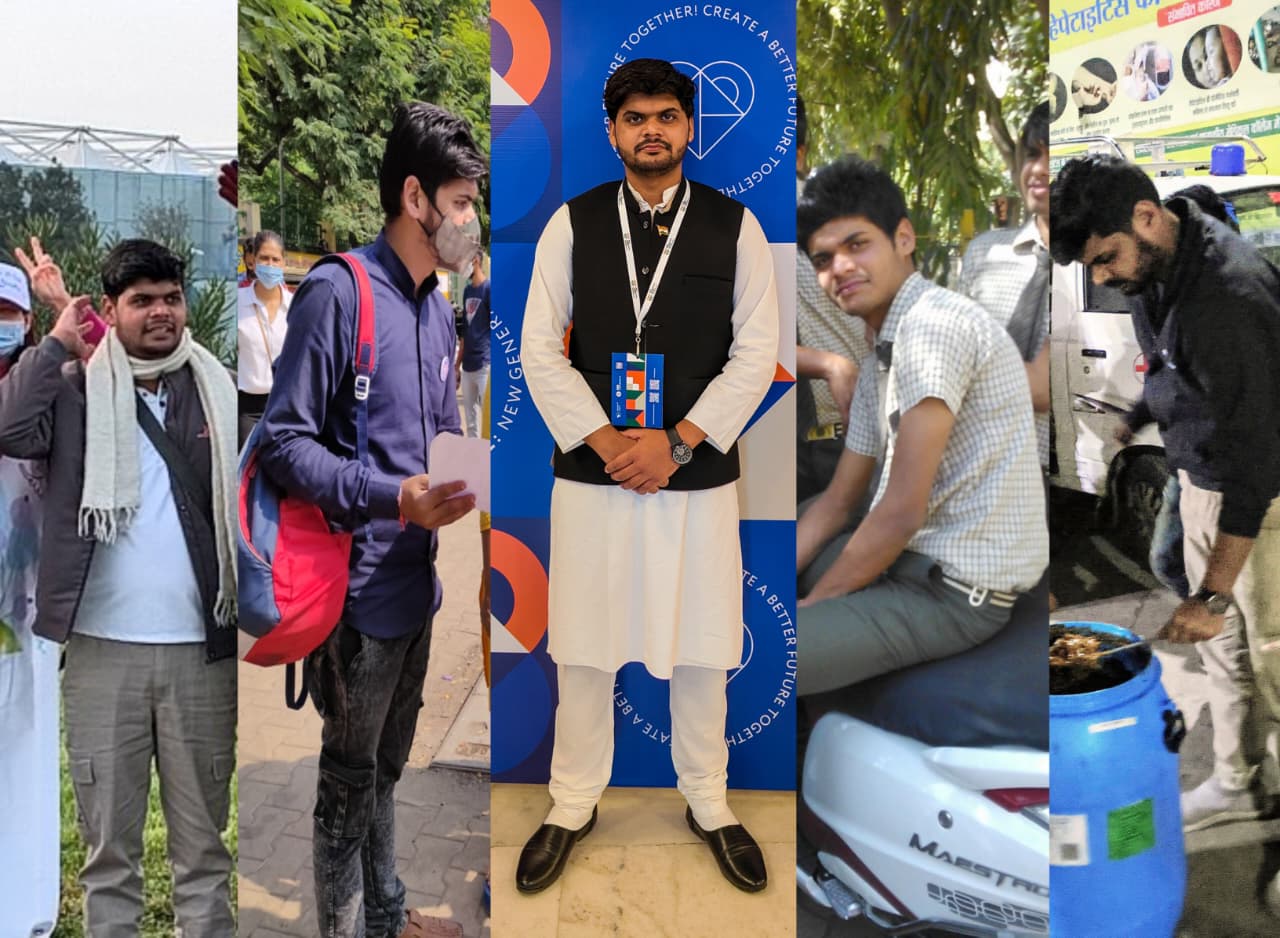
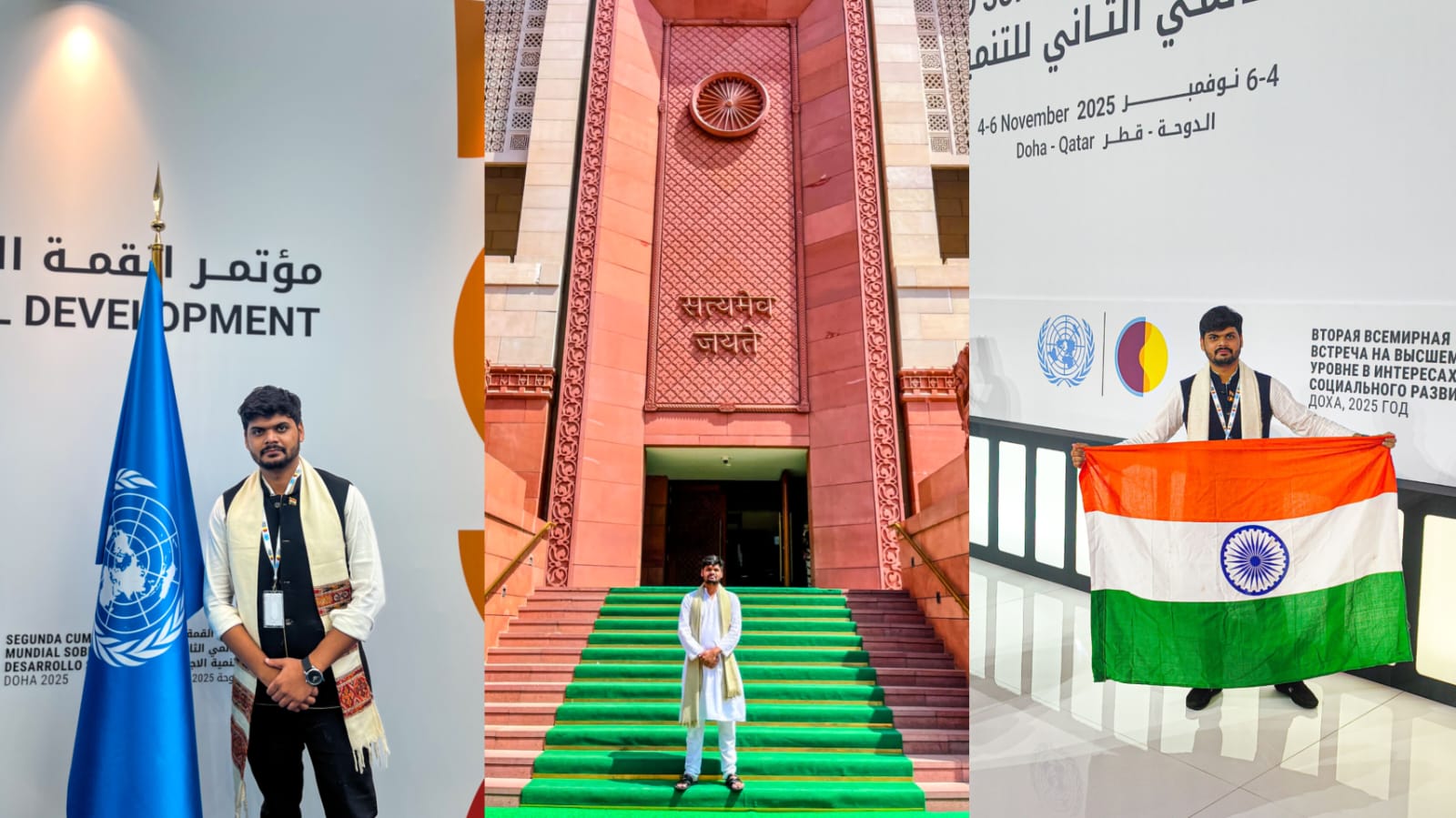
The natural convergence of consistent grassroots success and strategic thinking eventually opened doors to the highest echelons of international diplomacy. The dedication that began in local neighborhoods caught the attention of global platforms, leading to opportunities to represent India as a formal Youth Delegate and Civil Society representative.
This journey from local streets to international summits highlights a crucial truth: the most powerful global policies are those informed by raw, unfiltered grassroots realities. This trajectory proved that effective Youth Climate Action India presents to the world must be deeply rooted in community truths. The unique brilliance of Youth Climate Action India relies on this precise connection between community realities and policy rooms.
The Milestones of Global Advocacy
Standing on global stages, the mission was never about personal accolade. It was about carrying the voices of the 1.6 lakh people impacted by grassroots initiatives into rooms where treaties are signed and budgets are allocated. The international journey is marked by several key milestones:
-
COY18 (Dubai, 2023): Serving as a Youth Delegate of India at the 18th United Nations Conference of Youth on Climate Change. Here, the focus was on inserting the unique challenges of South Asian youth into the global climate youth statement ahead of COP28, showcasing the vibrant ecosystem of Youth Climate Action India was fostering.
-
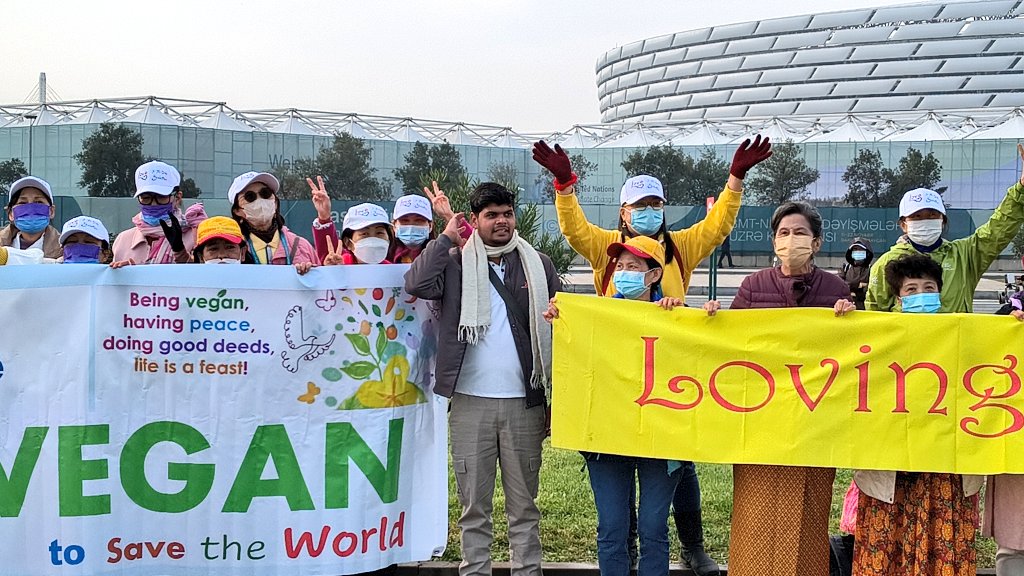
COY19 (Azerbaijan, 2024): Continuing the momentum as a seasoned delegate, ensuring continuity in climate advocacy, and demanding scalable finance for youth-led adaptation strategies. This participation further solidified the critical role of Youth Climate Action India globally.
-
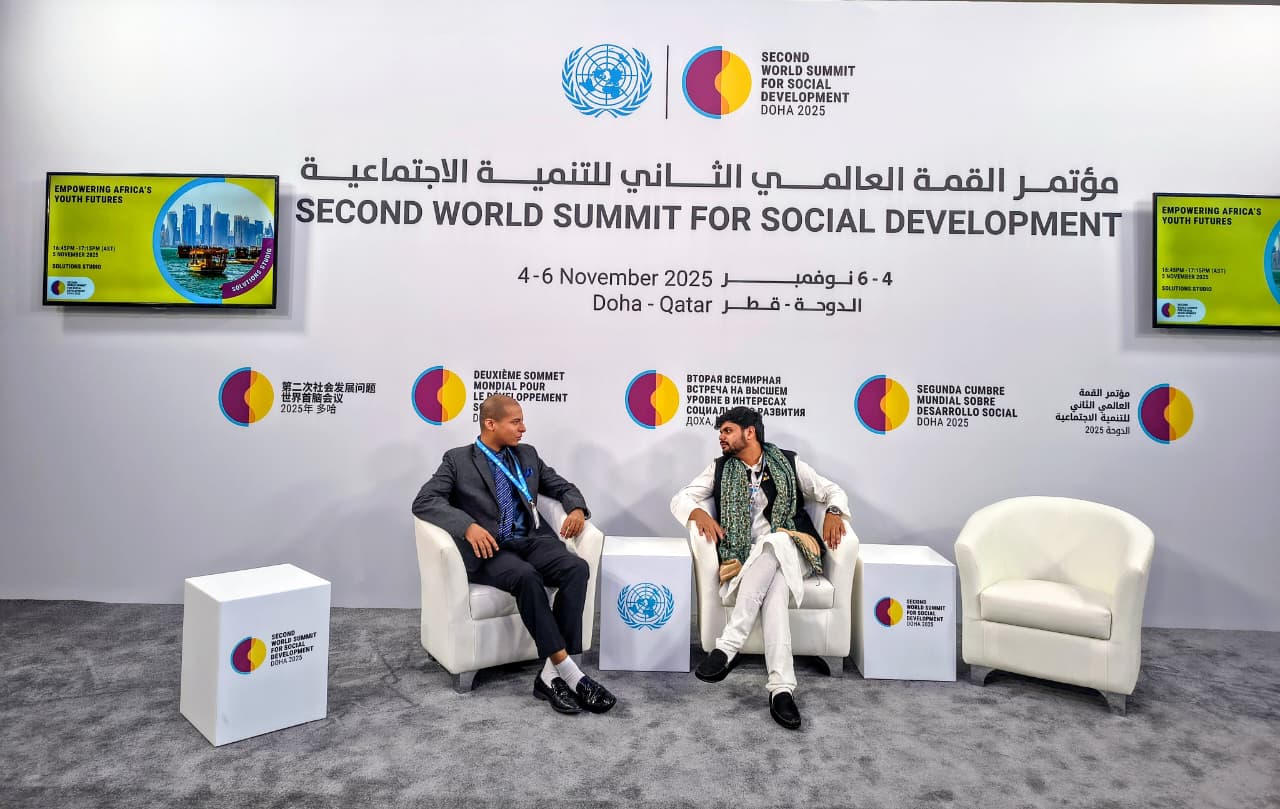
Second World Summit for Social Development (Qatar): Representing civil society at this prestigious United Nations-linked engagement, advocating for social frameworks that protect the vulnerable against economic and environmental shocks.
Through these engagements, it became possible to remind world leaders that behind every statistic about rising sea levels or shifting agricultural yields, there is a human face, a family, and a community fighting for survival. This active bridge-building enabled a two-way flow of value: bringing local perspective to international policy while simultaneously decoding complex global frameworks into actionable community goals back home.
Scale, Impact, and the Power of Community Mobilization
True leadership is measured not by the height of the stages one stands on, but by the depth of the footprint left behind in the community. At the local level, the execution of campaigns, sustainability programs, and rural outreach activities has been relentless. The metrics of this journey speak volumes about what structured youth mobilization can achieve. When considering the trajectory of Youth Climate Action India requires, this model of high-volume, decentralized impact offers a powerful blueprint.
Through a highly organized approach to civic engagement, the initiatives have directly reached over 5,000 individuals through targeted workshops, climate awareness campaigns, and educational drives in schools and colleges. However, the indirect impact is where the scale truly manifests. By engineering large-scale food distribution networks, rapid-response health support initiatives, and wide-reaching environmental awareness programs, the ecosystem has touched and improved the lives of more than 1.6 lakh people.
Beyond the numbers lies a more sustainable triumph: the creation of youth-led climate action teams. Recognizing that a single individual cannot be everywhere at once, the focus shifted toward decentralized leadership. By guiding, mentoring, and empowering peer groups, sustainable units were formed across various localities. These teams are entirely self-sustaining, capable of identifying local ecological or social friction points and deploying immediate, volunteer-driven solutions. This demonstrates how localized movements amplify the broader paradigm of Youth Climate Action India is currently experiencing. By empowering these teams, the baseline for Youth Climate Action India becomes much stronger and self-reliant.
A Digital and Physical Convergence for Social Change
In the modern era, social advocacy cannot rely solely on traditional, analog methods. To maximize reach and cultivate genuine engagement, a dual strategy of physical grassroots presence and digital mobilization is absolutely essential. This combined methodology is precisely how the message of Youth Climate Action India can resonate across vastly different demographics.
While the physical work involves getting one’s hands dirty whether planting saplings, distributing meals, or conducting rural workshops, digital ecosystem serves as a powerful force multiplier. Utilizing digital platforms allows for the rapid, democratic dissemination of information, breaking down complex environmental policies into easily digestible content for the masses. It creates an interconnected space where a youth volunteer in a remote village can connect with international toolkits, share their local triumphs, and feel part of a global collective. Through these digital avenues, the reach of Youth Climate Action India scales exponentially. The strategic integration of tech makes Youth Climate Action India highly adaptive to modern shifts.
This participatory governance model encourages everyday citizens to view themselves not as passive consumers of government policies, but as active co-creators of their civic reality. By leveraging social media, online forums, and digital advocacy tools, the movement has successfully demystified governance. It makes sustainability accessible, relatable, and actionable for the average youth, proving that digital tools are vital to sustaining the momentum of Youth Climate Action India today.
Amplifying Advocacy Through National and International Networks
No single organization can solve global crises in isolation. True systemic change requires deep, cross-sector collaboration. Over the years, engaging with multiple national and international organizations has proven vital to sustaining long-term impact. These institutional partnerships provide the infrastructure necessary to scale local solutions into regional and national programs.
By collaborating with diverse entities, the work has contributed significantly to youth mobilization, climate advocacy, and participatory governance. These collaborations ensure that the specific ethos of Youth Climate Action India creates is integrated into larger global agendas. When international organizations look for authentic grassroots partners, this model serves as a shining example of the integrity that Youth Climate Action India brings to the table.
Furthermore, these institutional networks allow for a cross-pollination of ideas. Strategies that proved successful in combatting food insecurity or mobilizing students in India can be shared with youth leaders in Latin America or Sub-Saharan Africa. Conversely, climate adaptation techniques used globally can be customized and deployed across Indian villages. This continuous exchange of knowledge elevates the standard of Youth Climate Action India champions, transforming local initiatives into case studies for global youth leadership. Every new partnership further expands what Youth Climate Action India can achieve on a macroeconomic scale.
Fostering Inclusive Development and Resilience
At its core, the work is an exploration of community resilience. When vulnerable populations are hit by economic instability or environmental disruptions, they do not just need short-term relief they require long-term capacity building. The transition from pure food distribution to creating self-sustaining youth teams reflects this philosophy of moving from aid to empowerment.
By integrating climate awareness with health support and food security, the initiatives create a safety net for communities. For instance, teaching school and college students about sustainability ensures that the next generation grows up with an inherent ecological consciousness. These young minds become ambassadors of Youth Climate Action India desperately needs to navigate the environmental challenges of the coming decades. Cultivating this mindset ensures that Youth Climate Action India remains a multi-generational movement.
This holistic approach recognizes that you cannot protect the environment without protecting the people who live within it. True sustainability is inclusive; it balances ecological conservation with human welfare, ensuring that the transition to a greener future does not leave impoverished or marginalized communities behind. It is this balanced perspective that gives Youth Climate Action India develops its unique, compassionate, and highly effective character. The integration of social justice into environmentalism makes Youth Climate Action India a unique template for developing countries.
The Vision Ahead: Building an Antyodaya-Oriented India
The ultimate compass guiding this entire journey from the initial days at Nek Kary Seva Samiti to the high-pressure corridors of the United Nations is a profound, unshakeable vision of nation-building. It is a vision deeply aligned with the philosophy of Antyodaya: the uplifting of the very last person in the queue.
True national prosperity cannot be calculated by macro-economic indicators alone if the fruits of growth do not trickle down to the most marginalized sectors of society. An inclusive, sustainable India is one where environmental policies protect the tribal farmer, where food security networks guarantee nutrition to the urban slum dweller, and where youth from every tier-2 and tier-3 city have a seat at the decision-making table. This philosophy forms the bedrock of every successful campaign of Youth Climate Action India puts forth. Without this focus on equity, the true spirit of Youth Climate Action India would remain incomplete.
The journey thus far is not a final destination; it is simply the prologue to a much larger narrative. The commitment remains absolute: to continue mobilizing, to keep advocating, and to relentlessly build an ecosystem where development is synonymous with equity. By empowering the youth to take ownership of their local environments and national futures, we pave the way for a resilient, self-reliant, and sustainable nation. Through the continuous expansion of Youth Climate Action India, we will ensure that as the country rises, no citizen is left behind in the shadows, and every individual plays an active role in shaping a prosperous future.
From a Scooter Ride to a Global Stage
Abhishek Panwar did not find his purpose at a conference. He found it during the second wave of COVID-19, when a woman near his home fell critically ill and had no way to reach a hospital. With no ambulance available, he put her on his scooter and drove her there himself, stopping multiple times as she struggled to breathe. She made it. And that day never left him.
That instinct to act, not talk, not wait, just act, is what has defined everything he has done since.
Today, Abhishek works at the heart of youth climate action India, holding leadership roles across some of the most recognised platforms in public service and global advocacy. He is the National General Secretary of the GEG Global Foundation, a Climate Action Ambassador for the Asia Region under the Commonwealth Youth Council, and Deputy Campaign Director for the UN-led SDG 5 Gender Equality Campaign.
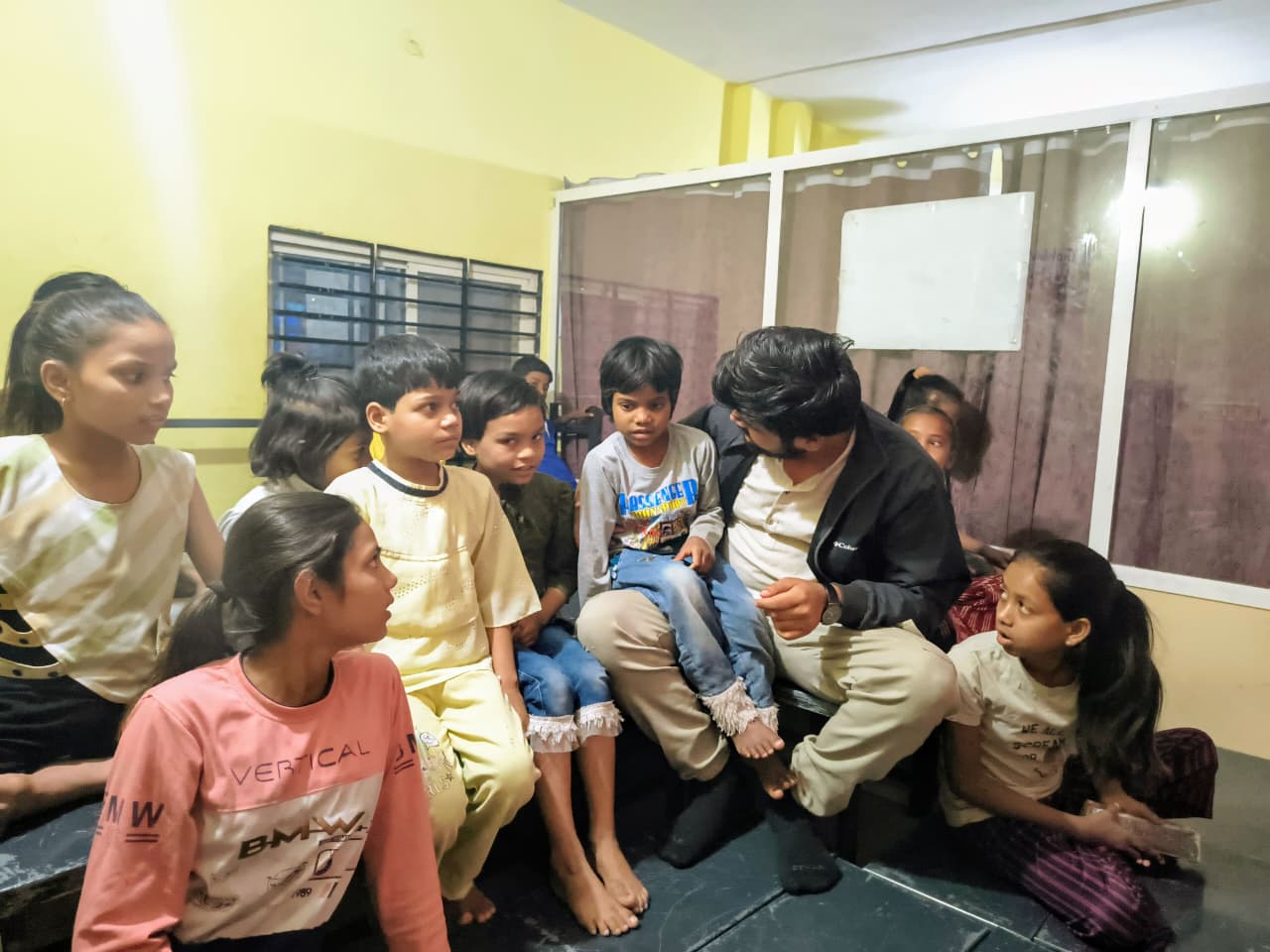
He founded the GATI Fellowship 2026 to build the next generation of leaders in policy, diplomacy, and sustainability. His Green Governance Leaders Program is working toward training 1,000 climate-ready leaders by 2030. Through Nek Karya Seva Samiti, his team has reached over 1,50,000 people through food distribution and supported 11,000 cancer-affected families, all driven by the same belief that youth climate action India must show up in communities, not just conversations.
Abhishek’s story teaches us one thing clearly. Leadership is not about the resources you have. It is about what you do when someone has nowhere else to turn.
Conclusion: A Call to Collective Action
The story of moving from a 14-year-old grassroots volunteer to representing a nation at COY18 and COY19 is a powerful testament to individual agency. However, its ultimate purpose is not to highlight a single individual’s achievements, but to serve as a call to action for an entire generation. The challenges of our era climate change, social inequality, and economic exclusion are too massive to be solved by a few isolated leaders. They require a collective, synchronized awakening of youth power across the globe.
By demonstrating that local action can directly influence international policy frameworks, this journey demystified advocacy. It proves to every young person standing in a school yard or working with a local NGO that their efforts matter, their voices carry weight, and their actions can ripple across oceans. The success of Youth Climate Action India depends entirely on this collective awakening.
As we move forward into a critical decade for our planet’s future, the blueprint is clear. We must continue to root ourselves in the soil of grassroots service, leverage digital platforms to democratize access, and confidently step onto global stages to demand systemic change. The journey that began with food distribution continues with an expanded scope but the exact same heart: a dedicated commitment to building a sustainable, inclusive world where development truly reaches the very last person, carried forward by the unstoppable force of Youth Climate Action India.
The journey from a fourteen-year-old volunteer to a voice on the global stage is not just a personal victory; it is a profound testament to the power of human agency. When we look at the landscape of our future, it is clear that the challenges of climate change, social inequality, and economic exclusion are far too massive to be solved by isolated leaders. They require a collective, synchronized awakening of purpose. This is exactly why the momentum behind Youth Climate Action India is so essential; it serves as a beacon for every young person standing in a schoolyard, community center, or local organization, proving that their efforts are not small they are foundational.
Your voice carries weight, and your actions, however humble, ripple across oceans. True leadership is not about the titles we hold but the barriers we break for those who come after us. By rooting yourself in the soil of grassroots service, embracing digital advocacy, and standing tall on global platforms, you are not just participating in a movement you are defining the next era of history. The spirit of Youth Climate Action India reminds us that change is an active, daily choice.
Do not wait for a perfect moment to begin; build that moment yourself. With unwavering commitment to sustainability, inclusive development, and the dignity of the last person in the queue, we will ensure that our collective future is resilient, prosperous, and profoundly hopeful. The time to lead is now.
Also Read: Vijay Kumar: 7 Inspiring Steps From Village Boy to Wimbledon