

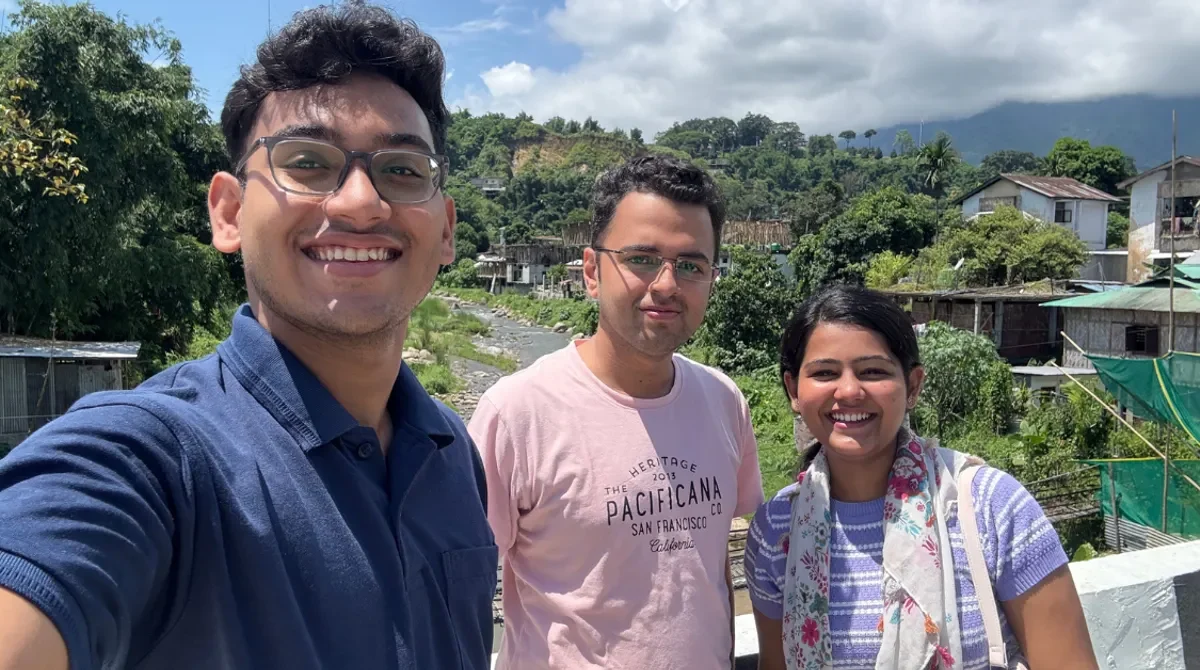
Social impact in action: how a 26-year-old Kolkata lawyer left law to plant 4,000+ trees and transform 3.8 lakh lives across India.
Social Impact: An Inspiring Story of 3.8 Lakh Lives Changed
Not every career change makes headlines, but Manav Sony’s certainly did. At just 26, this Kolkata-based lawyer walked out of a comfortable corporate job to chase something far less predictable: a life built entirely around social impact. Today, the organisation he founded has touched the lives of over 3.8 lakh people across 35 cities, and his story is quickly becoming one that young changemakers across India are turning to for inspiration.
The Spark Behind a Career Shift
Manav wasn’t always destined for grassroots work. After finishing his BBA-LLB, he stepped into Kolkata’s real estate law scene, drawn by the promise of stability and a respectable paycheque. On paper, it was everything a fresh graduate is told to want. But his weekends told a different story: spent teaching children in government schools, organising food drives, and quietly funding the education of students who couldn’t afford it themselves.
It was one particular family’s reaction, after a girl he had supported got into a good school, that pushed him toward rethinking everything. Their gratitude stayed with him far longer than any courtroom win ever had, and it planted the first real seed of purpose-driven social impact work in his mind.
That reflection eventually led to the birth of Funsmart Knowledge Solution Foundation, a name chosen on purpose to sound nothing like a typical NGO. Manav wanted the brand to feel energetic, modern, and rooted in problem-solving rather than pity, because he believed real social impact rarely comes from sympathy alone.
Turning an Idea Into a Movement
Leaving a secure job for an uncertain nonprofit isn’t a decision most people take lightly, and Manav’s transition was far from glamorous. There was no investor cheque waiting for him, no family-run business cushioning the risk. Just months of tight budgets, stalled projects, and the kind of stress that once landed him in a hospital bed while working out of an affordable co-working space.
“I hadn’t even told my parents I had quit my job,” he recalls. “They only found out once I fell ill.” It’s a quietly honest admission that reveals just how much personal sacrifice often sits behind stories of social impact long before the headlines and the numbers show up.
Support from family eventually helped him steady the ship, and slowly, donors and institutional partners began to take notice. Looking back, Manav is candid that good intentions alone rarely sustain an organisation. Creating lasting social impact, he says, takes the same discipline, planning, and patience required to run any serious enterprise, not just heart.
His advice to young people hoping to follow a similar path starts with narrowing the focus. Trying to fix every social problem at once, he warns, usually leads nowhere. Pick one lane, whether it’s education, environment, or health, and build depth there before expanding your social impact further.
Where the Real Work Happens
With a small, values-driven team in place, Funsmart began identifying West Bengal’s most pressing local problems poor waste management, environmental neglect, and gaps in school infrastructure and chose to tackle them alongside municipal bodies and local businesses rather than working alone.
One of the earliest large projects involved planting more than 4,000 saplings using the Miyawaki afforestation technique at a site nearly 755 kilometres from Kolkata. Beyond the greenery, the initiative created steady income for roughly 30 underprivileged workers, including a former school gardener who says the project gave him something money alone couldn’t: genuine respect. It’s a clear example of how environmental work and community social impact often go hand in hand.
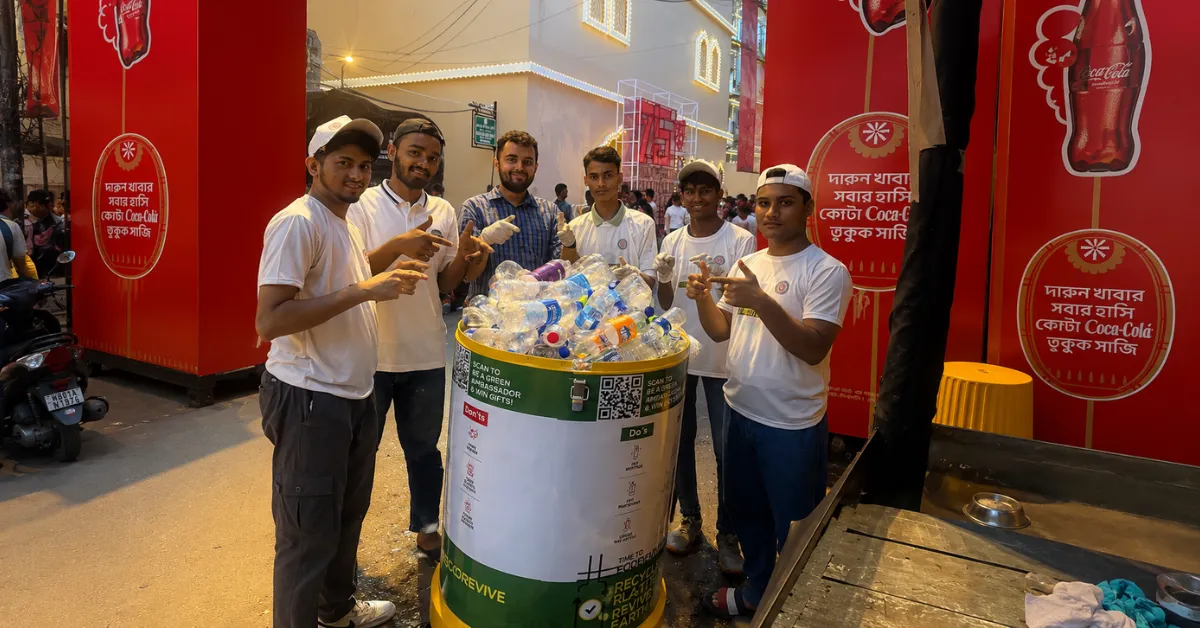
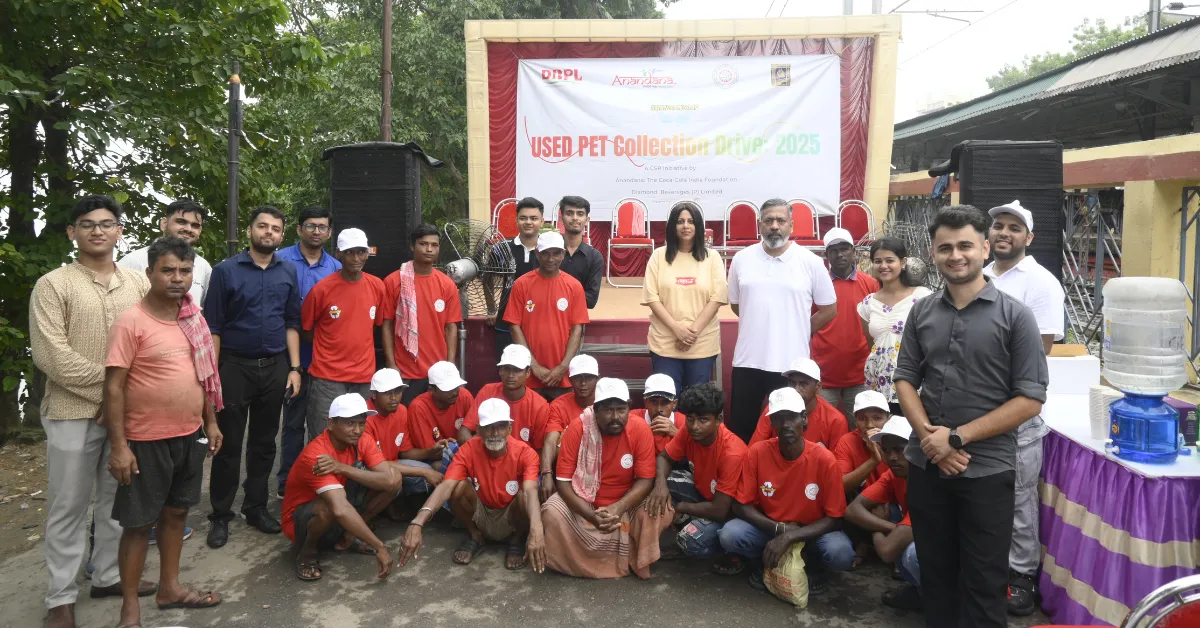
During Durga Puja, the foundation also ran a plastic waste collection drive that gathered over 12 tonnes of waste in just six days, later repurposed into furniture for children. Volunteers admit the toughest part wasn’t logistics but changing deep-rooted public habits proof that lasting social impact requires shifting mindsets, not just cleaning streets.
On the education front, the foundation has helped students like a 19-year-old from Dhanbad continue her studies through fee support and career-readiness workshops, freeing her to focus on her future instead of financial stress another quiet but powerful form of social impact.
A Bigger Shift Among Young Indians
Manav sees his own journey as part of a larger pattern more young Indians are stepping away from conventional success stories to build careers rooted in purpose. He’s honest that the road isn’t easy: funding gaps, failed projects, and team disagreements are all part of the process. But he believes clarity of purpose is what keeps people committed to meaningful social impact, even during the hardest stretches.
For Manav, the biggest myth to break is that nonprofit work is somehow a lesser career choice. In his view, driving real social impact demands leadership, strategy, and resilience qualities just as valuable as anything found in a corporate boardroom. And as more saplings take root across his project sites, so does a bigger idea: that one person’s decision to prioritise social impact can quietly reshape thousands of lives, one community at a time.